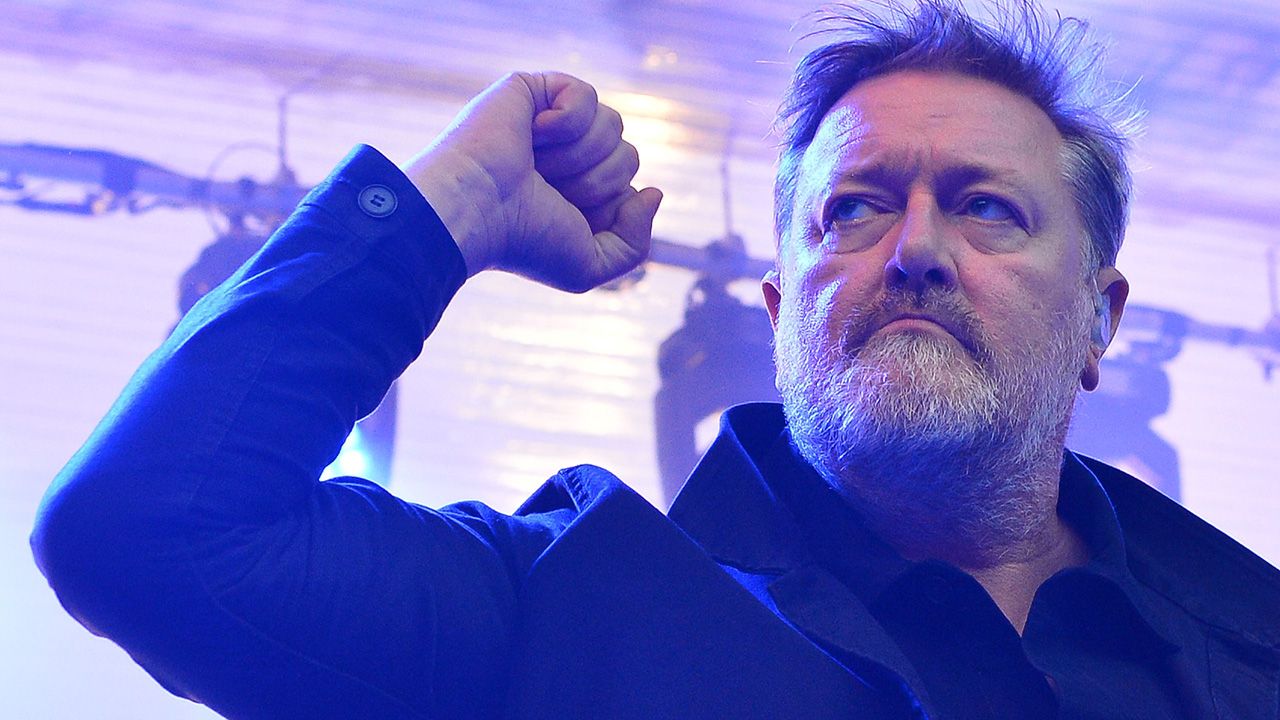
There is a certain satisfaction in watching a band get it right by refusing to pretend they were something they were not.
Guy Garvey has never been shy about where Elbow's music comes from. Yes, Genesis, King Crimson. Progressive rock. He called his band "prog rock without the solos" back in the late nineties, at a moment when admitting that in public was roughly as career-smart as turning up to a record label meeting in a cape. He said it anyway, and the reason matters: he did it because everyone around him was clearly drinking from the same well and lying about it.
"Prog was a dirty word," Garvey said. "And yet so much of the music I was listening to and that was being featured in the music press was inspired by the work of Yes, Genesis and King Crimson. There was no denying it, yet nobody was talking about it."
His example lands harder the more you sit with it. Radiohead, he says, have never cited Pink Floyd as an influence. He calls that "ridiculous." He is not wrong.
Where It Started
Garvey was born in Manchester in 1974 and grew up listening to his sister's Genesis records. Not as a teenager stumbling onto them. As a baby. Nursery Cryme as crib music. That is not a metaphor, that is his actual origin story. By the time he reached sixth-form college in 1990 and met guitarist Mark Potter, the obsession had moved on to Yes. He bought Potter a copy of Close to the Edge on the very first weekend Potter earned a wage from a restaurant job. His reason was straightforward: the guitar work. He fell hard for Siberian Khatru from that record, and credits it as the reason Craig Potter, Mark's younger brother, took up organ in the first place.
That is a direct line from a Genesis record playing in a baby's bedroom to the keyboard sound on the records that eventually won Elbow the Mercury Prize for The Seldom Seen Kid in 2008.
The band did not get there cleanly. The early years involved a chilled funk sound inspired by Jimi Hendrix, Sly and the Family Stone and the Red Hot Chili Peppers. Bassist Pete Turner, with admirable honesty, later described that period with two words: "It was shite." Years of gigging produced nothing. No deal. No traction. It was only when they stopped listening to advice and committed to doing exactly what they wanted, without compromise, that things shifted.
[Gryphon went through something similar](/uprise/music/had-we-started-a-little-earlier-we-might-have-survived), spending years watching the industry decide what to do with a band that did not fit the template. The difference is Elbow got out the other side.
The Sound That Followed
Their 2001 debut, Asleep in the Back, carried that trip-hop influence from Massive Attack and Portishead alongside Talk Talk and Radiohead, but underneath it was progressive rock thinking: non-linear arrangements, unsettling discordance, suffocating drum patterns. The track Newborn was built around a Genesis song, specifically Entangled. "It goes on this beautiful, sonic exploration, haunting and grand," Garvey said of the original. The extended coda he built for Newborn, building from organ swirls into a full guitar eruption, was his version of that same instinct. He called it "a very earnest, apocalyptic love song" that does not function without its second half.
[Steve Hackett has spent decades working in that same space](/uprise/music/steve-hackett-stars-in-brand-new-kompendium-video-for-lilly), where progressive ambition meets genuine emotional weight. The best prog was never really about complexity for its own sake. Elbow understood that from the start, even when they were pretending otherwise.
The verdict here is simple. Elbow did not accidentally stumble into making music that connected with people. They got there by going back to the records that formed them, stopping the performance of being something more commercially palatable, and trusting what they actually loved. Garvey was right to say it out loud. More people should have.