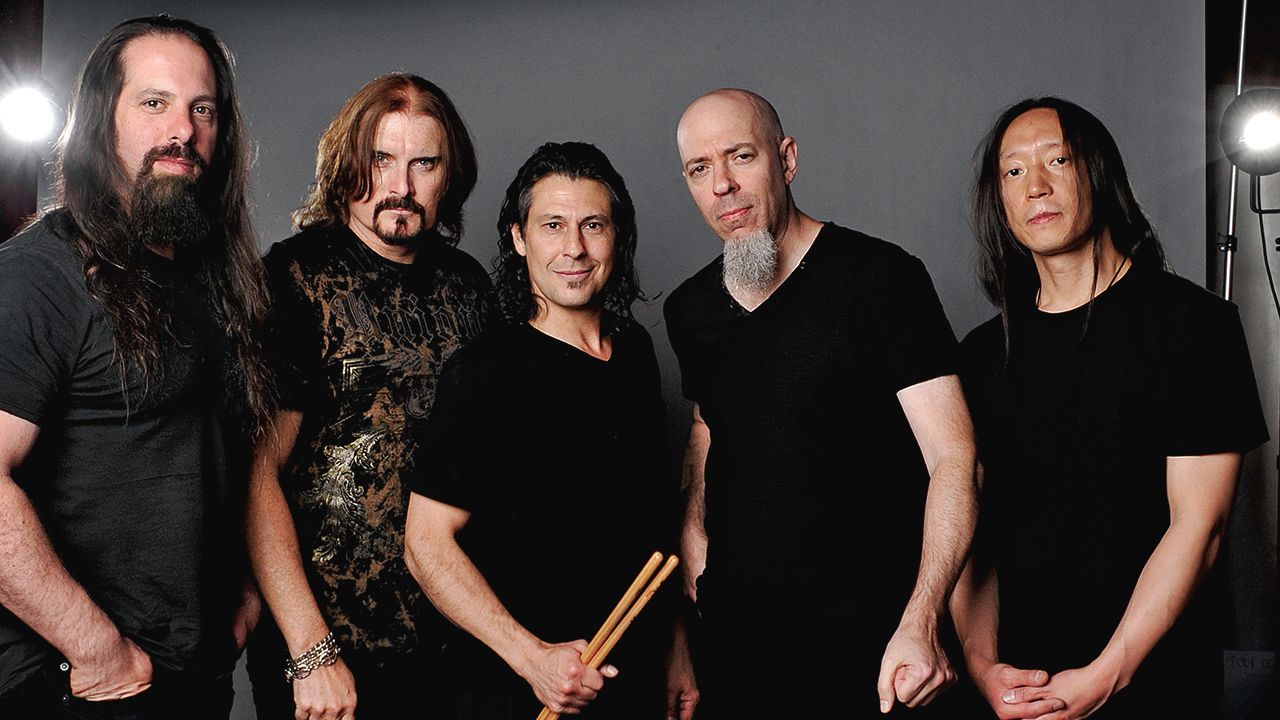
Mike Portnoy said Dream Theater had lost its spark. Turned out he was absolutely right, and they proved it without him.
When Portnoy walked out in 2010 and Dream Theater slammed the door behind him weeks later when he tried to come back, the assumption was obvious: this was the beginning of the end. You don't replace a founding drummer and musical director of a prog metal band without taking a serious hit. You especially don't do it and then expect the follow-up album to be among your finest work. And yet, that is precisely what happened.
The Room Got Quieter. The Music Got Louder.
A Dramatic Turn Of Events, released in 2011 with new drummer Mike Mangini, turned out to be one of the most alluring records the band had ever made. And the reason, by the band's own account, is simple: the atmosphere in the studio changed completely.
Keyboardist Jordan Rudess was direct about it. With Portnoy gone, there were no drums in the room during writing. For Rudess, that mattered. "There was an atmosphere of patience surrounding the writing of this album," he said. "We'd give each other the time and space." That patience showed up in the music.
The bigger revelation was bassist John Myung. Rudess pointed out that Myung had been more involved in this record than he had in years, contributing lyrics and riff ideas, bringing genuine energy to sessions where previously he'd stayed in his own quiet world. Vocalist James LaBrie backed that up, saying the atmosphere was calmer and more interactive, allowing everyone to assert themselves in a way the previous dynamic hadn't encouraged.
It's worth sitting with that for a moment. One of the most storied line-ups in prog metal was apparently creatively constrained, and it took a dramatic personnel change to reveal it. [The prog world is full of stories about bands rediscovering themselves after painful reinventions](/uprise/music/had-we-started-a-little-earlier-we-might-have-survived), but few are quite this on the nose.
Portnoy Was Right, and LaBrie Knew It
The irony that LaBrie acknowledged is sharp. Portnoy's stated reason for wanting a break was that the band felt jaded. He thought they needed time apart to refresh. The rest of the band disagreed, pressed on without him, and in doing so produced proof that he was correct all along.
"It's really ironic," LaBrie said. "I think the spirit has been missing for some time, though we did a good job of camouflaging it." He went further, saying the feeling had been building, on and off, for around 12 years before the split. Not months. Twelve years. That's not a rough patch. That's a sustained performance of a band pretending to be fine.
Rudess was pragmatic about the fans who would never accept Mangini regardless of quality. Some people, he acknowledged, would remain bitter no matter what. That's honest, and it's fair. But he was equally clear that musically, the band were happy, and the record reflected that.
The band went into those sessions knowing they were under the microscope. Critics, fans, and probably their own management were waiting to see them stumble. Instead, they made something they could genuinely stand behind.
If anything, this story is a reminder that [prog's relationship with internal tension is complicated, productive, and sometimes necessary](/uprise/music/top-new-prog-from-lonely-robot-kompendium-giant-sky-and). Dream Theater's most honest album came from their most difficult year. Portnoy called it. The band lived it. The record stands.