
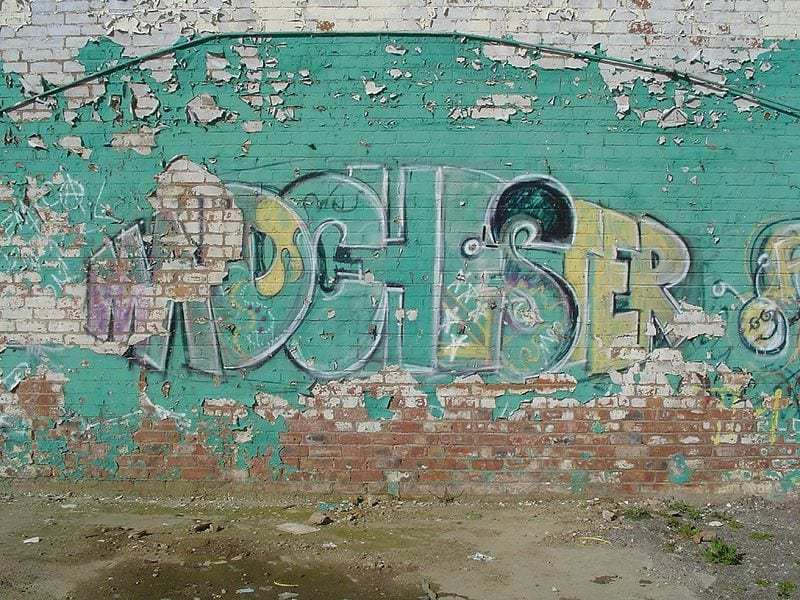
There is a version of the Madchester story you have heard a hundred times. The Hacienda, the smiley face, the baggy jeans, the musicians who crossed the floor from guitar bands to the rave and came back with something that rewired British music. That version is real, and it matters, but it has always been told by the same people: the DJs, the promoters, the faces. The thousands of ordinary people who actually packed out those dancefloors, who queued in the Manchester cold and lost themselves in the basslines and came home changed, have largely been left out of the archive. A project called Lapsed Clubber, led by Manchester Metropolitan University academic Dr Beate Peter, spent 18 months trying to put that right, and the results landed at a final event that felt as much like a reckoning as a reunion.
Why the Dancefloor Crowd Has Always Been the Missing Chapter
The academic case Dr Peter has built over those 18 months is straightforward and genuinely important. We know the Hacienda. We know the labels and the terms: Acid House, Madchester, the second Summer of Love in 1988. What we do not know, in any documented, properly preserved way, is what it was like to be an ordinary punter moving through that world between 1985 and 1995. As Dr Peter put it herself: the people on the dancefloors had no platform to share their experiences at the time. That is not a minor gap in the archive. That is the whole story of how a subculture actually works, told from the bottom up rather than the top down.
Think about what that silence represents. Every scene that has ever mattered, from punk to jungle to grime, gets documented at the sharp end: the records, the bands, the venues, the key figures. But the texture of a movement, what it actually felt like to live it on a weeknight, the people you met, the fashion choices that felt radical at the time, the specific tunes that hit you differently at 2am than they ever would on a morning radio show, that stuff dissolves unless someone goes looking for it deliberately. Dr Peter went looking. [How Manchester Lost Its Mind and Rewired British Music](/uprise/culture/madchester---wikipedia) gives you the structural story; this project is after the human detail underneath it.
What the Lapsed Clubber Project Actually Set Out to Do
Eighteen months is a serious commitment for an academic research project, and the scope here was appropriately ambitious. The Lapsed Clubber project mapped Manchester's rave culture across a ten-year window, from 1985 to 1995, taking in the full arc from the Acid House moment through to the point where the scene had either mainstreamed or splintered into what came next. That window is specific for a reason: it captures the before, the explosion, and the aftermath, rather than just picking out the famous peak year and calling it done.
The method was community-led from the start, reaching out to people Dr Peter describes as "lapsed clubbers" and asking them to contribute their memories. That phrase is doing real work. It is not "former ravers" or "veterans of the scene," both of which carry a slight whiff of nostalgia tourism. Lapsed clubbers is honest: people who were there, who have got on with their lives, who may not have thought hard about those years in a while but who carry the memories regardless. The project wanted those people specifically, not the ones who have spent the decades since turning it into an identity or a brand.
What Happened at the Rave On! Event
The final event in the project, Rave On!, took place at the Old Abbey Taphouse, and it was designed to do several things at once. Attendees were invited to submit their memories directly onto a digital map, writing text entries or recording audio messages covering the music, the fashion, the clubs, and the people. That combination of formats matters: some memories live better in someone's voice than they do typed out, and the audio option opens the archive to people who might baulk at writing a paragraph but will absolutely talk your ear off given a microphone.
The evening also included a rave quiz, the premiere of the Lapsed Clubber film, and a panel debate, before DJ sets from Jay Wearden and Steve Dobson with the actual tunes that soundtracked the Greater Manchester rave scene. That sequence is well thought out. The quiz and the film create shared context, the panel debate gets people talking and probably arguing, and then the music finishes the job by unlocking the bodily memory that text prompts alone might not reach. Anyone who has heard a track from that era in a room full of people who were there knows what happens to a room when the right record drops. [The Shuffle That Changed Everything: Madchester's DNA](/uprise/culture/exploring-music-and-dance-in-madchester-culture) maps out why the music and the physical experience of dancing were always inseparable for this particular scene.
Why This Is Part of a Bigger Festival and What That Means
The Rave On! event was part of the Festival of Social Science, which ran from 3 to 10 November, pulling academics from the University of Manchester, Manchester Metropolitan University, and the University of Salford into the city's museums, bars, theatres, and galleries. Every event in the festival's schedule is underpinned by properly funded social science research, much of it backed by the Economic and Social Research Council. The organisers have been explicit that the reason for making this research public-facing matters: at a moment when trust in expertise is fractured, getting researchers into rooms with ordinary people is a political act as much as an academic one.
That context gives the Lapsed Clubber project a dimension beyond nostalgia. It is not just about preserving what happened in Manchester between 1985 and 1995 for the sake of completeness. It is about demonstrating that the people who lived through something ordinary but culturally significant are worth asking. The rave generation did not write academic papers or lengthy music press features about their own experience. They went out, they danced, they came home. Someone recording an audio memory of a specific night at a specific venue, decades later, is adding something to the record that simply does not exist anywhere else.
What the Archive Could Mean for Understanding Manchester Now
Manchester's status as a global music city is not seriously contested, but how that status was built is a more complicated story than the headlines allow. [Baggy, Blissed Out, and Built to Burn: The Madchester Story](/uprise/culture/a-brief-history-of-madchester-culture) covers the grand sweep, but the Lapsed Clubber archive is after something finer-grained: the specific venues, the specific nights, the specific corners of Greater Manchester that fed into the scene rather than just the city-centre landmarks that have been photographed and written about endlessly.
A digital map built from genuine personal testimony does something that a documentary or a heritage exhibition cannot quite manage. It distributes the story geographically and emotionally, showing where things happened and what they meant to people who were not on stage or behind the decks. That is the kind of primary source that a researcher in twenty years will find genuinely useful, and that a sixteen-year-old who has just heard their first acid house record might also find genuinely gripping. The Hacienda is the famous room, but the city that surrounded it was full of people whose stories connect to it in ways that have never been properly told.
Our Verdict: This Is What Cultural Memory Actually Looks Like
The Lapsed Clubber project is not a nostalgia exercise, even if it occasionally looks like one from the outside. It is an act of rescue. The people who filled those rooms in the late 1980s and early 1990s are still here, they still remember, and the window for capturing those memories in their own words is not permanently open. Dr Peter and the team at Manchester Metropolitan University have spent 18 months making sure at least some of those voices get recorded before they fade.
The pub-debate version of the Madchester story runs on myth and anecdote. The Lapsed Clubber version runs on testimony, and there is a real difference. What gets deposited on that digital map is not a polished cultural product. It is the actual stuff, the specific, granular, sometimes contradictory truth of what it was like to be on a dancefloor in Greater Manchester when the music was doing something nobody had quite heard before. That is worth more than another documentary about the people who had their names on the flyers. We already have plenty of those.