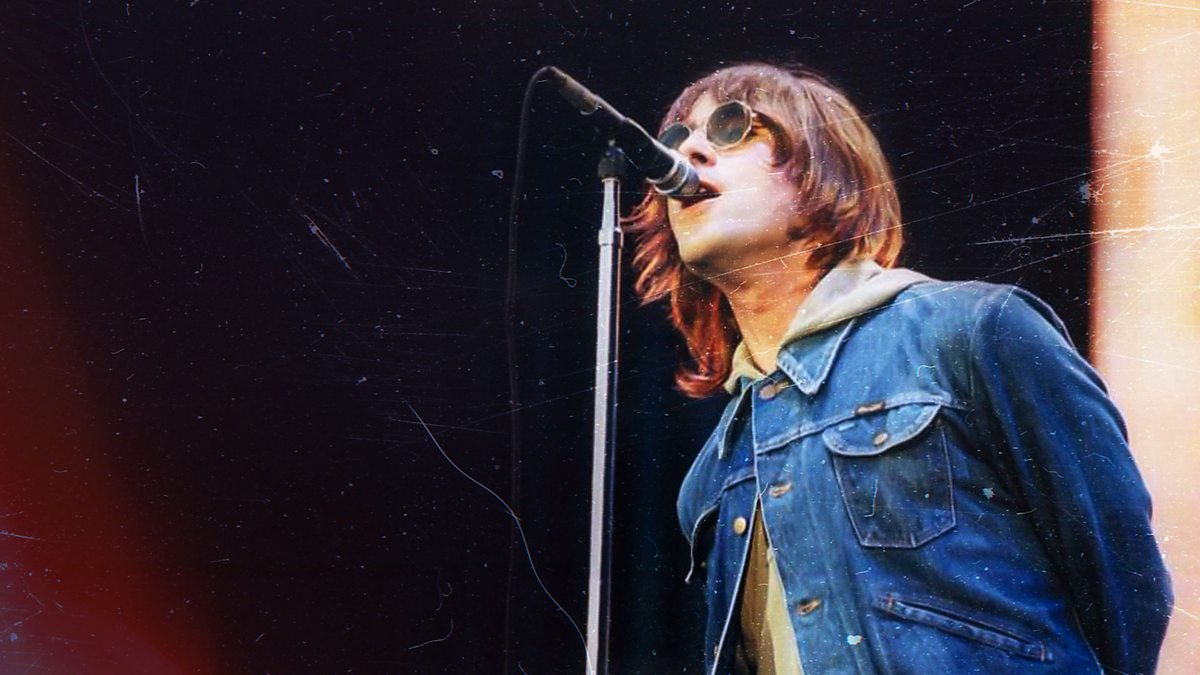
There are moments in British television history that feel less like scheduled programming and more like someone accidentally pointed a camera at lightning. Oasis on Later... with Jools Holland is one of them.
The BBC confirms it plainly: Jools Holland introduces a studio concert from the Gallagher brothers, first broadcast in 2000. That sentence does not need dressing up. What it describes is a document. A piece of UK culture preserved in the archive, currently unavailable to stream, which somehow makes it feel more valuable rather than less.
What *Later...* Actually Does
Before we get into the Gallaghers specifically, it is worth being clear about what Later... with Jools Holland represents in the television landscape. The BBC's own framing for the show describes it as offering views on the biggest bands from around the world, showcased by the BBC. That is a modest description for something that has consistently operated as one of the few places on British television where live music is treated with genuine seriousness.
The show has never pretended to be anything other than what it is: a studio, some instruments, a host, and a camera. No pyrotechnics. No backing tracks dressed up as live performance. No gimmicks. What you see is what the band actually sounds like in a room. For an act like Oasis, whose entire identity was built on the idea that they were the real thing, that format was either going to expose them or confirm them. There was no middle ground.
The Gallagher Brothers in a Room
The BBC describes the 2000 episode simply as a studio concert from the Gallagher brothers. That phrasing matters. Not a performance. A concert. The distinction is deliberate, and it tells you something about how the programme approached acts of genuine weight.
By 2000, Oasis were carrying a specific kind of pressure. The 1990s, the decade most associated with the band, had ended. The question hanging over them, as it hangs over any band that defines an era, was what they were in the next one. A studio concert on Later... is not a soft interview. It is not a promotional slot on a magazine show. It is a test, and the BBC's archive holding this episode as part of its iconic, timeless music from the 90s collection suggests where the verdict landed.
The show's own categorisation places the Oasis episode within the rock and indie content the BBC has built around Later..., alongside the programme's broader identity as a home for dazzling live performances. That is the company this episode keeps. [The 1990s produced a specific kind of live television moment](/uprise/culture/10-amazing-music-guests-who-prove-tfi-friday-ruled-1990s) that British broadcasting has never quite managed to replicate, and this sits firmly in that tradition.
The 90s and What They Actually Meant
The BBC's own framing of this episode leans on the 1990s explicitly, describing it as iconic, timeless music from the 90s decade. We will not argue with that, but it is worth being precise about what that means in the context of Oasis specifically.
The Gallagher brothers did not simply make music in the 1990s. They were, for a significant portion of that decade, the argument that British guitar music was still the most important thing happening anywhere. The swagger, the coats, the attitude, all of it was inseparable from a particular idea of what it meant to be young and from a certain part of England. [Manchester's music scene during that period reshaped how an entire generation dressed and carried themselves](/uprise/culture/how-80s-and-90s-manchester-music-changed-male-fashion--), and Oasis were at the sharp end of that cultural moment.
That context is what makes the Later... appearance in 2000 worth paying attention to. It is not just a band doing a television slot. It is a band at a hinge point, with Jools Holland in front of them and a studio audience watching to see what they actually had left in the room.
The Archive Problem
Here is the part that genuinely frustrates us. The BBC's own page for this episode states clearly that it is not currently available. You cannot watch it. A studio concert from one of the most significant British bands of the 20th century, held by the BBC, sits unavailable in the archive.
This is not a new problem. British broadcasting has an extraordinary amount of material that the public has paid for through the licence fee, sitting in vaults or lost entirely due to decisions that look increasingly baffling with hindsight. The Later... archive is described on the BBC's own platform as a celebration spanning 25 years of the show, with backstage footage and live performances. The infrastructure to surface this material exists. The will to do it consistently clearly does not.
For a generation that was not watching television in 2000, the unavailability of something like this is not a minor inconvenience. It is the difference between that cultural moment being accessible history and being rumour.
Why It Still Matters
Later... with Jools Holland has outlasted almost every other music television format in the UK. The BBC's description of the show's purpose, showcasing the biggest bands from around the world, is as accurate now as it was when this Oasis episode was first broadcast. The format works because it is honest. You either deliver in that room or you do not.
The Oasis episode from 2000 being held as part of the show's classic archive, within a collection that the BBC explicitly marks as iconic and timeless, is confirmation enough of where it stands. [Liam Gallagher's continued relationship with the cultural touchstones of that era](/uprise/culture/liam-gallagher-inspired-by-madchester-raves-and-90s-acid-house) suggests the appetite for this material has not gone anywhere.
Our verdict is simple: get this episode back into the iPlayer library. The BBC made it. The public funded it. Let people watch it. Keeping it in an unavailable archive while trading on the Oasis name to categorise your back catalogue is having it both ways, and it is not good enough.