
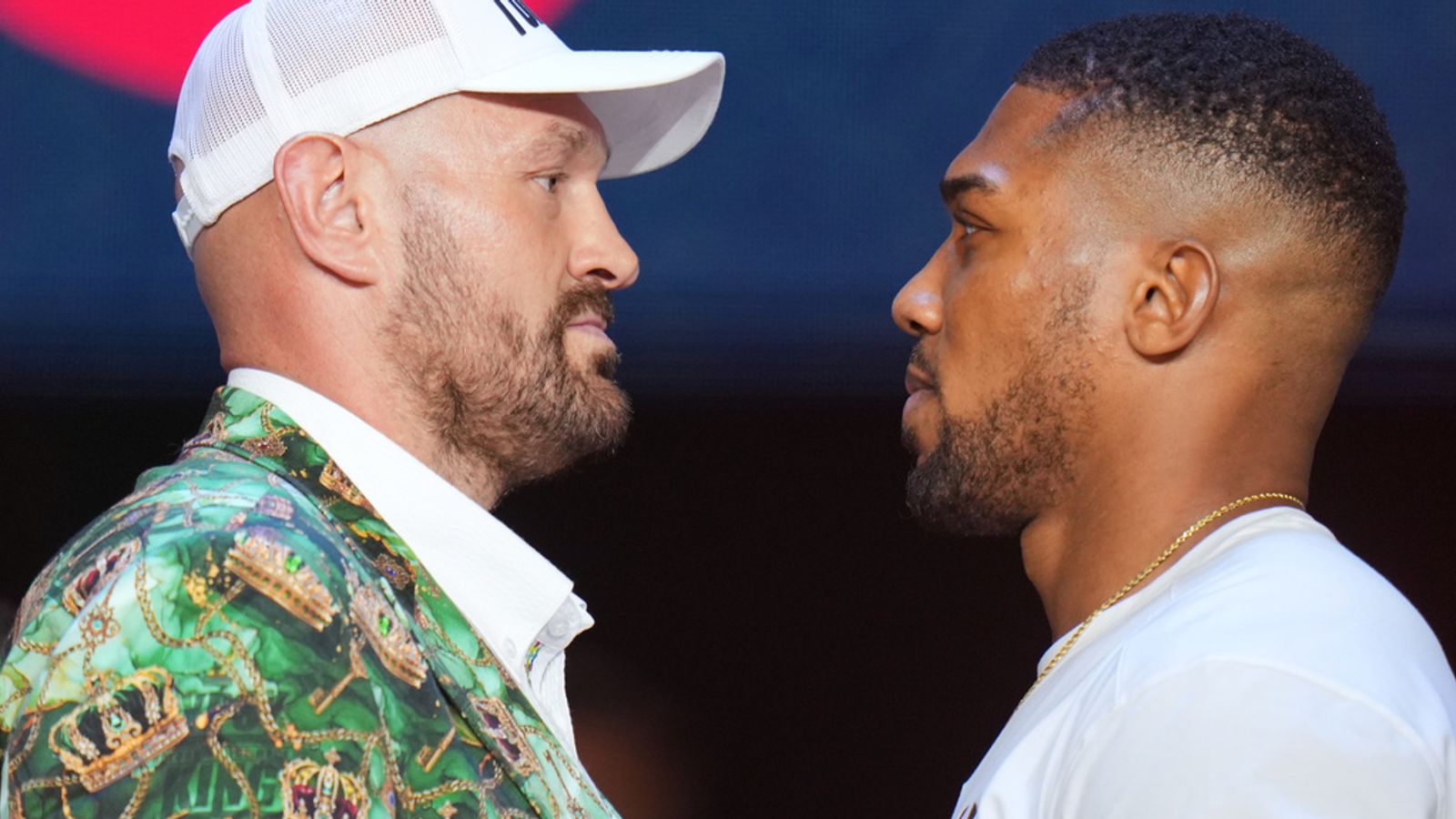
Audley Harrison has seen enough boxing hype turn to dust to know the difference between manufactured needle and the genuine article. When he says the animosity between Tyson Fury and Anthony Joshua is real, that the December 11 fight in Cardiff is worth your time and your money, it carries a kind of weight that most promotional puff simply cannot buy. This is a man who lived through the other version of this story, the one where the hype machine overheated and the fight itself fell flat. He knows exactly what he is talking about, and what he is saying is: believe this one.
The Ghost of Harrison vs Haye
You cannot understand why Harrison's backing matters without going back to 2010, when he was on the other side of this exact conversation. He was the man in a much-hyped all-British heavyweight grudge match, sharing a bill with David Haye, and the whole country was told this was the fight it needed to see. The anticipation was real. The result, famously, was not. It became one of those nights that gets dragged out whenever anyone wants to argue that British heavyweight boxing hypes itself into corners it cannot punch its way out of.
That history is exactly why Harrison's current optimism lands differently. He is not a cheerleader with a vested interest. He is somebody who was at the centre of one of boxing's great disappointments and emerged from it with enough self-awareness to call the sport on its failures. When he tells Sky Sports that Fury and Joshua's animosity is genuine, he is measuring it against something he knows intimately: what manufactured animosity looks and feels like when it falls apart under the lights.
"Politricks" and the Years Wasted
Harrison uses a word that every boxing fan will immediately understand: "Politricks." His point is that the bureaucratic, promotional and personal scheming that runs through professional boxing has always been there, always messing the sport up, always finding a way to delay or derail the fights people actually want to watch. Fury versus Joshua is a fight that should have happened years ago. Almost everyone agrees on that. The question is whether the delay has killed it.
Harrison's answer is a measured no. He is not pretending the timing is perfect. "While it's a little late, I can't argue with that," he said. Neither are they in their primes. He is clear-eyed about what age and accumulated punishment do to even the greatest heavyweights. But he draws a sharp distinction between "not in their primes" and "not worth watching." For Harrison, there is still enough quality, still enough genuine bad blood, still enough star power, to make Cardiff on December 11 exactly the kind of night that justifies everything boxing puts its fans through in the years between the fights they really want.
The Tyson-Lewis Precedent Everybody Forgets
The comparison Harrison reaches for is an instructive one. He brings up the Tyson versus Lennox Lewis fight, a bout that had the same cloud of "too late, too old, what's the point" hanging over it in the build-up. Harrison was there in Memphis. He watched Lennox finish the job. And his memory of it is not one of disappointment or diminishment. "It was a great fight, great atmosphere, exactly what we wanted," he said. The result was decisive, yes, but the occasion delivered.
This matters because it reframes the conversation about Fury and Joshua. The "too late" brigade have a point in theory and very often in practice, but the history of heavyweight boxing is littered with fights that exceeded the expectations of the cynics. The venue matters, the bad blood matters, the occasion matters. Cardiff on December 11 has all three. If you need a reason to trust that the event will rise above its awkward timing, Harrison's eyewitness account of Memphis is about as solid a precedent as you can get.
What Harrison Actually Makes of AJ
Harrison's read on Joshua is generous but not soft. He traces a career trajectory that runs from raw Olympic hopeful to two-time unified heavyweight world champion, through the humiliation against Andy Ruiz and the technical dissections suffered against Oleksandr Usyk and Daniel Dubois, and arrives somewhere honest: "He wasn't perfect, but he's not supposed to be." Coming from a fellow Olympic super-heavyweight gold medallist for Great Britain, that verdict carries real resonance. Harrison preceded Joshua in winning that title, though his professional career never reached the same heights. He knows what it looks like to fall short of your potential, and he is not applying that label to Joshua.
[There is something genuinely touching about how Harrison frames the Klitschko fight as the moment Joshua showed what he could really do](/uprise/boxing/joshua-unable-to-see-new-baby-daughter-until-after-fury), after the criticism that followed Ruiz. The point is that Joshua's career contains multitudes: brilliance and fragility, stadium-filling charisma and genuine technical vulnerability. Harrison identifies his current liability as punch resistance: "He's still got the power, he's still got the punch but he doesn't have the punch resistance now." That is not a small caveat heading into a fight with Tyson Fury.
Fury's Legacy Is on the Table Too
Harrison does not reduce this to a Joshua story. He holds both men to the same standard and finds them both worthy of a legacy conversation. Whatever has happened recently in both careers, whatever the losses and the stumbles and the questions about whether either man is still the fighter he was, Harrison's position is that the body of work on both sides is "legendary." That word does not get thrown around carelessly in boxing circles. It means something.
[Cardiff is no stranger to heavyweight nights that mean something](/uprise/boxing/price-makes-undisputed-history-as-she-shuts-out-kotaskova). The city has form for producing occasions that exceed expectations, for turning a boxing event into something the whole country talks about. The fact that this fight is happening there, in December, with both men knowing this is likely the last time either of them gets a defining stage, adds a layer of urgency that no amount of promotional spin could manufacture. That urgency, combined with the genuine ill-feeling Harrison identifies between them, is the whole argument for buying in.
Our Verdict: Trust Harrison on This One
The man who lived through the wrong version of this story is telling us this one will be different. Harrison's read on Fury versus Joshua is not blind optimism, it is informed, slightly bruised, earned optimism. He has seen the hype collapse before. He knows what it smells like. He knows that "politricks" ruins fights, that timing ruins fights, that two fighters pretending to hate each other ruins fights. His point is simply that none of those landmines are present here in the same way.
The animosity is genuine. The occasion is real. The legacies of both men are genuinely at stake in Cardiff on December 11. That is not nothing. In fact, right now, in a sport that too often asks you to care about fights that don't deserve it, that is just about everything.