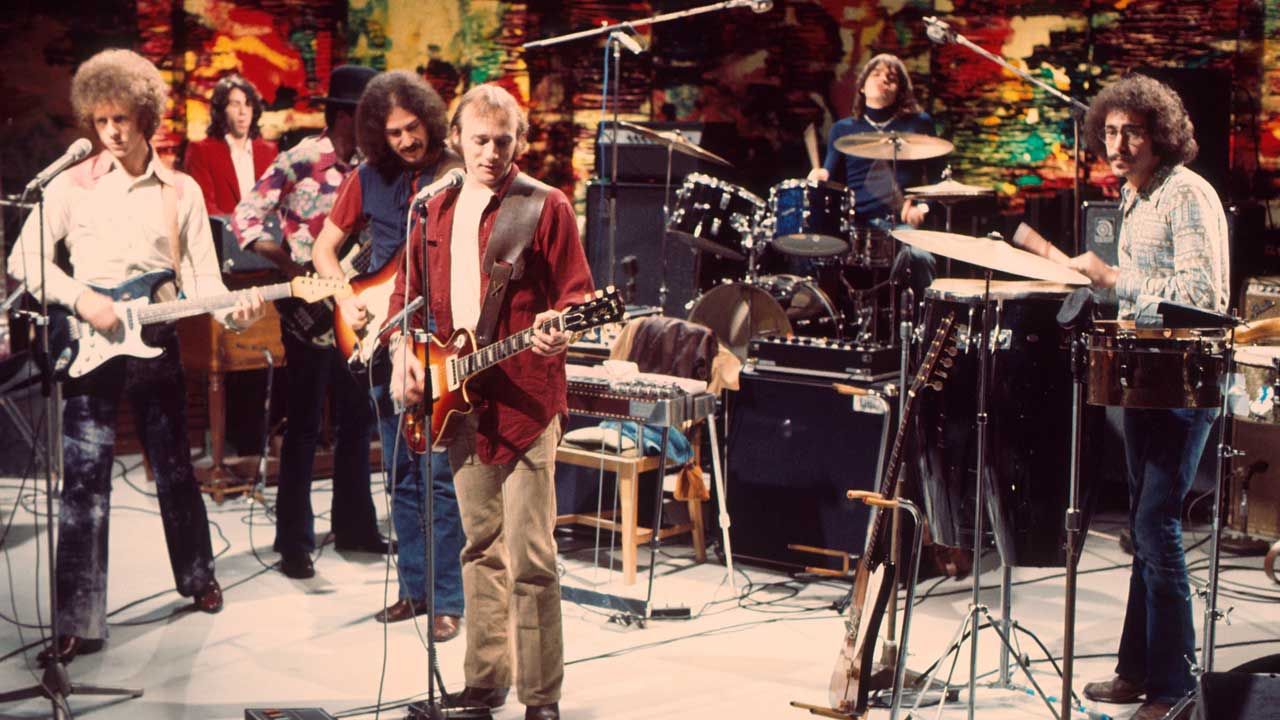
There is a version of Stephen Stills history where Manassas is spoken about in the same breath as Exile on Main St. That it is not says more about the music industry's short memory than it does about the quality of the record.
Released in 1972, the same year his old Buffalo Springfield and CSNY bandmate Neil Young was cleaning up commercially with Harvest, Stills assembled a crack group of musicians, including ex-Byrd Chris Hillman, and put out a sprawling double LP that reached the US top 10 and has been half-forgotten ever since. Stills himself blamed Atlantic Records for that, claiming the label was far more interested in milking the CSNY cash cow than investing properly in Manassas. Whether that is true or not, the result is one of rock's more baffling blind spots.
Four Sides, Four Moods
The album spreads itself across four distinct musical avenues: blues, country and bluegrass, folk rock, and blues rock. AllMusic called it "a sprawling masterpiece, akin to the Beatles' White Album" or the Stones' Exile on Main St., arguing that what could have been a disorganised mess instead "gelled together and formed a cohesive musical statement." That is a bold claim, and it is not entirely wrong.
What is also true, though, is that John Davidson's assessment cuts closer to the bone for a lot of casual listeners: "It has plenty of gas in the tank, but it's content to drive along the highway well within the speed limit." That line stings a little, because it is accurate. The musicianship is excellent across the board. The arrangements are considered. But stellar, undeniable songs, the kind that make you stop what you are doing, are thin on the ground. When you stack it against Neil Young's catalogue from the same period, the gap becomes uncomfortable.
Some of the album's emotional weight makes more sense with context. Several tracks are understood to be Stills processing his breakup with Rita Coolidge, a split made considerably worse by the fact that Coolidge subsequently got together with his friend and former bandmate Graham Nash. If you know that going in, certain moments land differently.
Half-Forgotten Treasure
Cameron Crowe, reviewing the record at the time, noted that the musicianship was "generally excellent" but that Stills' vocal style pervades almost every track in a way that can become numbing. That is fair. And yet, Robert Christgau's observation that certain songs echo in your head after repeated listens also rings true. This is an album that rewards patience, which might explain why it found its audience slowly rather than immediately.
It bookends, as one listener pointed out, a golden period for Chris Hillman, running from Sweetheart of the Rodeo through the Flying Burrito Brothers and on to this. All influential, all [largely overlooked in the way certain genuinely adventurous records tend to be](/uprise/music/had-we-started-a-little-earlier-we-might-have-survived). That is a real shame.
Some argue Manassas is the best album Stills ever made. We would not fight anyone who said so, but we understand why it never quite broke through. It is accomplished, occasionally gorgeous, and spread a little too thin. A brilliant single album is buried inside a good double one.
Worth your Sunday morning. Worth more than the obscurity it has settled into.