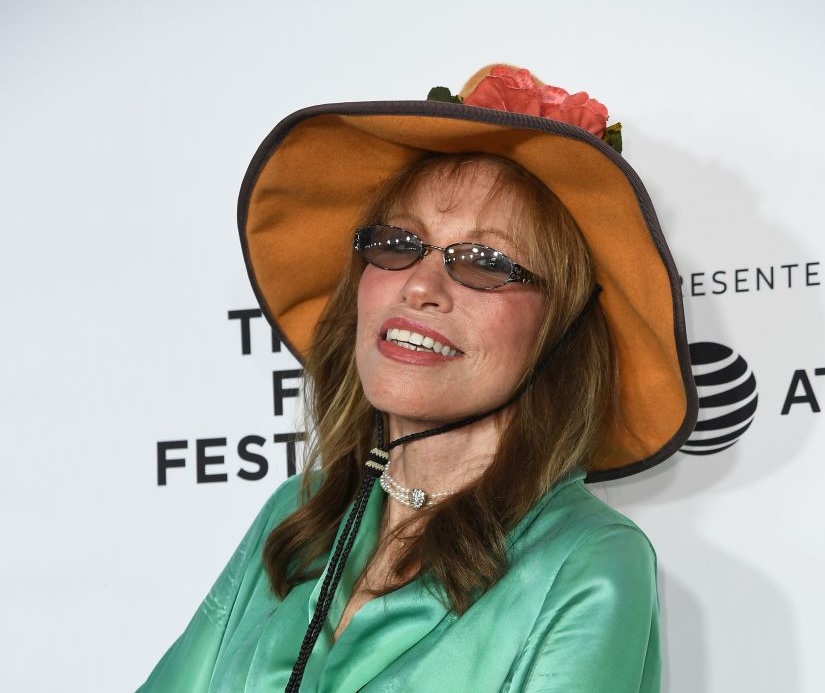
There are artists who go quiet because they've run out of things to say. Carly Simon is not one of them. She went quiet because her body was fighting battles most of us wouldn't wish on anyone — and now she's come out the other side with new music to prove it.
Simon has revealed diagnoses of both Parkinson's disease and cancer, confirming what many had quietly wondered about during years of absence from stages and studios. Her last album of original material came out in 2008. She hasn't performed live since a 2018 Tibet House benefit at Carnegie Hall. She didn't even attend her own Rock and Roll Hall of Fame induction in 2022 — one of the more telling absences in recent memory, from a ceremony that rarely gets snubbed.
Now, eighteen years on from her last record of new songs, she's announced a comeback album. And unlike so many late-career returns built on nostalgia and comfortable ground, this one has genuine weight behind it.
What the silence actually meant
We tend to mythologise an artist going dark. We assume creative block, or bitterness, or irrelevance creeping in. What we rarely assume is that someone is managing serious illness while trying to hold onto the thing that defines them. Simon has been doing exactly that.
Her own words make it plain: she has not stopped living, and she has not stopped working. That's not a PR line. For someone managing Parkinson's and cancer simultaneously, continuing to write and record is an act of real stubbornness — the kind that turns into art when it's channelled properly. It's the opposite of the burnout that hits artists for far more ordinary reasons. [Jonas Blue, for instance, reached a point where making music felt like a job he actively didn't want](/getohedz/music/jonas-blue-rebranded-learned-an-instrument-called-ai-absolutely-horrendous) — Simon's situation is a different category of reckoning entirely.
There's something quietly powerful about the fact that the illness didn't silence her permanently. It delayed her. That's a meaningful distinction.
Why this matters beyond the comeback narrative
The music industry loves a return story. Labels and streaming platforms will happily package any reunion or reissue in the language of triumph. We're usually sceptical — and rightly so.
But this is different. Simon has nothing to prove commercially. She has no label pressure driving a rushed release. What she has is a body of work that already guaranteed her legacy, a Hall of Fame plaque she wasn't well enough to collect in person, and apparently enough new songs to fill an album that she felt compelled to make. That's the only reason that matters.
The fact that serious illness is what pushed her back into the studio — rather than pulling her out of it permanently — says something about what music actually is for the people who have given their lives to it. It's not a career move. It's the thing you return to when everything else gets stripped back.
We're not going to pretend we know what the record sounds like until we hear it. But we're paying attention. Carly Simon has earned that much and then some — and an eighteen-year wait, under those circumstances, deserves to be heard on its own terms.