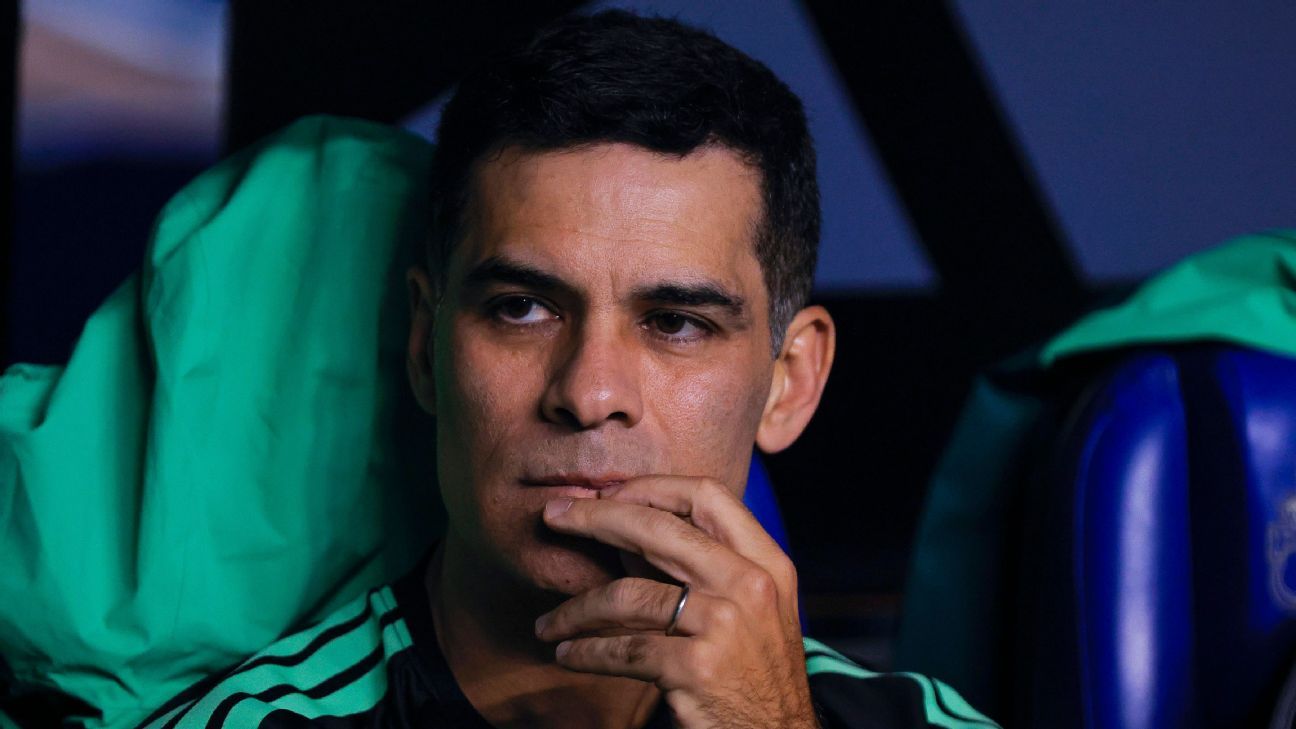
Rafael Márquez taking the Mexico job isn't just a coaching appointment — it's a statement about where Mexican football thinks it's headed.
The Mexican Football Federation confirmed on Wednesday that Márquez will step into the role vacated by Javier Aguirre, with his mandate stretching all the way to the 2030 World Cup. That's a long runway. Whether Mexico use it well is the question worth asking right now.
The Logic Behind the Appointment
You can see what the federation is doing here. Márquez is one of the most decorated Mexican players in history — a man who captained Barcelona, lifted trophies across Europe, and carried himself with an authority that very few players from his nation have ever projected at the top level. Bringing him in as a long-term project manager makes a kind of sense. This isn't a panic hire. They've picked someone who embodies what they want Mexico to look like on the world stage.
The "strong foundation" framing from the federation is doing a lot of heavy lifting, mind you. Aguirre's tenure was a mixed bag, and Mexico have been caught in that awkward middle ground for a while now — a squad with genuine talent but a national team that rarely feels like the sum of its parts at major tournaments. Márquez inherits that tension, not a blank slate.
The 2030 World Cup is an unusual target too. A tournament shared across multiple continents, with matches expected in South America, Africa, and Europe, creates a completely different preparation challenge compared to a standard cycle. Márquez will need to build a squad with the adaptability and depth to handle that kind of logistical and footballing variety. That's before you even factor in that Mexico will also be co-hosting the 2026 edition — home pressure, every match scrutinised, expectations sky-high.
What He Actually Needs to Deliver
The federation can talk about strong foundations all they like, but we've seen this kind of optimistic language before when a new manager walks through the door. What Márquez actually needs is clarity on how he'll approach the squad selection, which players he trusts to carry the project, and — most importantly — whether the domestic league setup in Mexico will give him the cooperation and preparation time he needs.
This is also a test of Márquez as a manager rather than a legend. His work at youth level showed enough for the federation to back him, but senior international management is a different beast. The scrutiny is relentless, the margins are thin, and a couple of bad results at 2026 on home soil could see the goodwill evaporate quickly. Mexican fans are passionate and patient up to a point, then they're not.
The 2030 World Cup as an end destination gives him breathing room, but 2026 will be the real early verdict on whether this appointment was vision or sentiment.
---
We're cautiously interested. Márquez has the credibility, the federation has shown some ambition in thinking long-term, and Mexico undeniably have footballers capable of making noise in both tournaments. But we've been here before with Mexican football — promising starts, bold language, and then that same glass ceiling at the knockout stage. Márquez knows what it takes to win at the highest level as a player. Now he has to prove he can build a team that does the same.