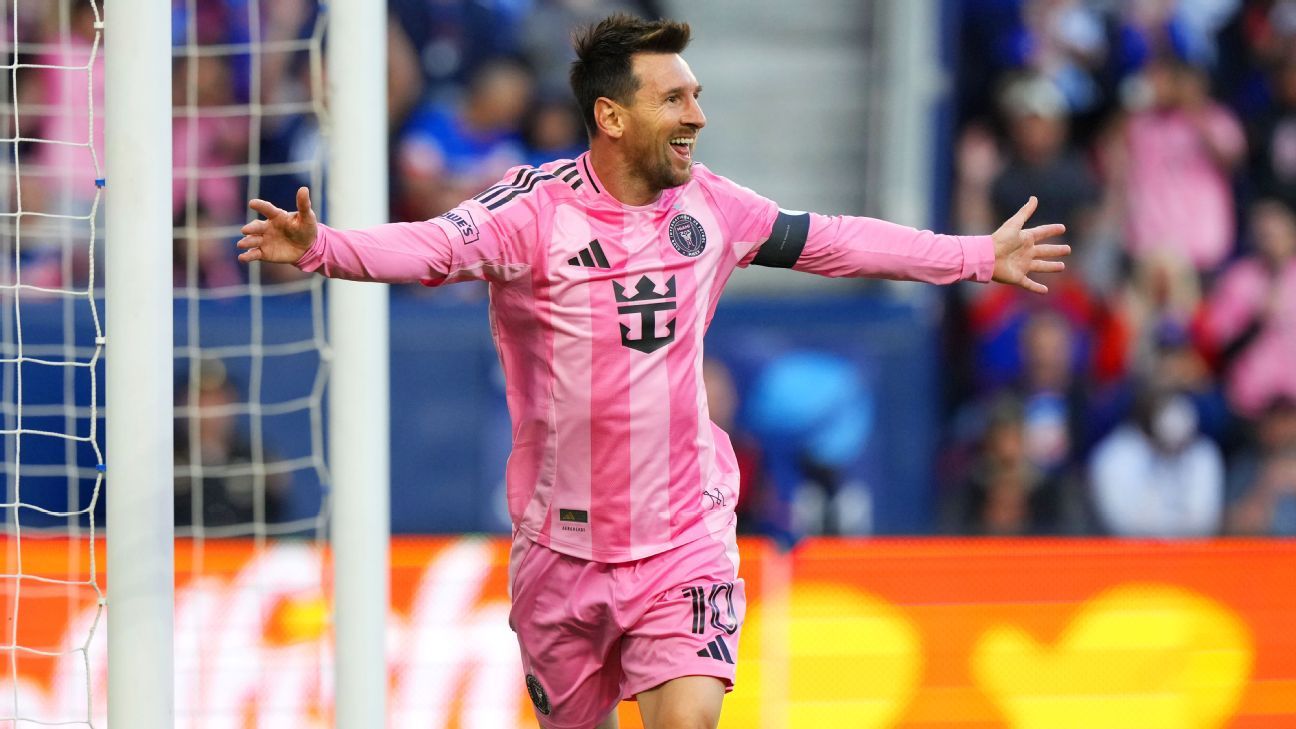
There's only one name anyone's looking at on this roster, and we all know it.
MLS have confirmed their 29-man squad for the All-Star Game, and Lionel Messi leads the bill. The Inter Miami man — still, somehow, lighting up a league that many European fans only half-take seriously — headlines a roster that also includes U.S. internationals Matt Freese, Max Arfsten, Tim Ream and Sebastian Berhalter. It's a decent enough collection of players. But let's be honest: without Messi, this announcement gets roughly a third of the attention it's currently getting.
That's not a knock on MLS. That's just the reality of what it means to have the greatest footballer alive on your books.
What the roster actually tells us
Ream and Berhalter earn their places on merit. Ream has been one of the more quietly consistent defenders in the league for years — a player who does the unfashionable work without complaint. Berhalter, son of former USMNT manager Gregg, has been building his own identity in the league rather than coasting on the name. These aren't charity selections.
Freese and Arfsten rounding out the U.S. contingent speaks to MLS doing what All-Star games are supposed to do: put a spotlight on domestic talent alongside the marquee names. Whether anyone outside of hardcore MLS followers knew who Arfsten was before this announcement is another question entirely.
The format — MLS All-Stars versus Liga MX — remains one of the better ideas the league has had. It carries actual competitive edge compared to the traditional "league vs random European club" model. [Argentina face Switzerland next in the World Cup knockouts](/getohedz/football/switzerland-reach-the-last-eight-but-argentina-await), which means Messi's involvement in any All-Star fixture will depend entirely on tournament scheduling and fitness management — something Inter Miami will be acutely aware of.
The Messi problem MLS can't escape
Here's where we land, honestly: MLS has a Messi dependency that's both a gift and a structural issue. The man has genuinely shifted the needle — attendances, broadcast interest, shirt sales, global coverage. But every time MLS drops a headline like this, the subtext is the same. Without him, does this story travel beyond North American football circles? Probably not.
That's not sustainable as a long-term strategy. The league needs the Reams and Berhalters — and the younger players coming through — to carry weight on their own terms. [Alexia Putellas moving to London City showed what a genuine marquee signing can do for a league's credibility](/getohedz/football/putellas-to-london-city-lionesses-is-womens-footballs-biggest-moment) — but it also showed how fragile that attention is when it rests on one individual.
MLS is in a better place than it was five years ago. The quality is improving, the rosters are deeper, and the Liga MX rivalry gives the All-Star format genuine purpose. But every press release that leads with Messi's name is also a reminder of how much work there still is to do.
Our take: Good roster, fair selections, right format. But MLS needs to start building All-Star narratives that don't rely on one man doing all the heavy lifting. Messi won't play forever — and the league needs to be ready for that day.