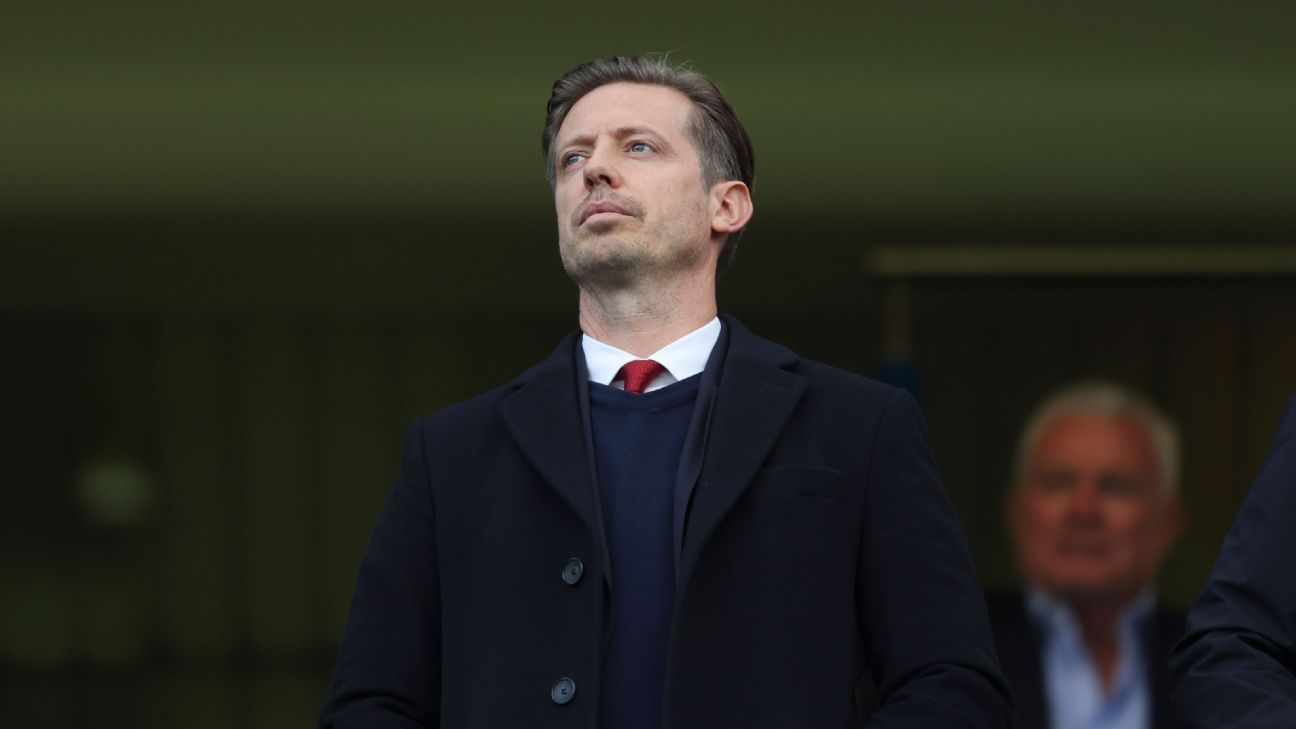
Michael Edwards leaving FSG isn't just a personnel change — it's a warning sign that something at Liverpool is genuinely unsettled.
Edwards built the modern Liverpool. His fingerprints are on nearly everything good that happened at Anfield over the last decade — from the data-driven recruitment model to the culture of smart, unsentimental decision-making that turned a perennial nearly-club into European and domestic champions. When someone like that walks away from an ownership-level role at FSG, you don't shrug it off. You ask why.
What We Actually Know
The confirmed facts are straightforward enough: Michael Edwards has departed his position as CEO of football for Fenway Sports Group. Liverpool, as a result, are facing a period of significant upheaval behind the scenes. That's not spin — multiple independent sources, including ESPN and The Times, are using words like "upheaval" without any apparent hesitation.
Names linked to the shifting structure include Wael Mohya and Tim Van Der Leij, both of whom have appeared in reporting around the new-look setup at FSG. What their precise roles look like going forward, and whether either man can carry anything close to Edwards's authority within the organisation, remains to be seen. What we can say clearly is that the infrastructure Edwards helped construct is now operating without the man who shaped it.
That matters more than people might initially clock. Liverpool's competitive edge under FSG hasn't just come from Klopp's genius on the touchline — it came from having an unusually coherent football operation above the dugout. The scouting networks, the data models, the ability to move quickly and decisively in transfer windows: all of that required someone at the top who understood football and trusted the process. Edwards was that person.
The Timing Couldn't Be Worse
Liverpool are in a transitional moment regardless of what happens in the boardroom. Arne Slot has taken over from Klopp and is still establishing himself. The squad needs continued investment and careful management. And now the ownership structure is being reshuffled with the man who understood recruitment better than almost anyone in European football no longer in the building.
This is the kind of thing that doesn't blow up overnight. It festers. You don't notice the problem until a transfer window goes sideways, or a key player gets sold without a proper replacement lined up, or two separate departments start pulling in opposite directions. FSG have generally run a tight ship, but the ship ran tight because the right people were in the right seats. That's no longer the case.
We're not saying Liverpool are about to fall apart — [Man Utd agree £50m deal for Chelsea midfielder Santos](/getohedz/football/man-utd-agree-50m-deal-for-chelsea-midfielder-santos) is a reminder that plenty of big clubs are making their own chaotic decisions in the background. But Liverpool have prided themselves on being different. Smarter. More structured. Edwards was a big part of why that was true.
Our Verdict
FSG have earned enough goodwill to be given time to demonstrate that this transition has been managed properly. But the burden of proof is on them. Replacing Michael Edwards — not just filling his title but actually replacing what he brought — is one of the hardest jobs in English football right now. Until we see clear evidence of who owns football decisions at FSG and how the structure functions without him, Liverpool fans have every right to be uneasy. We would be.