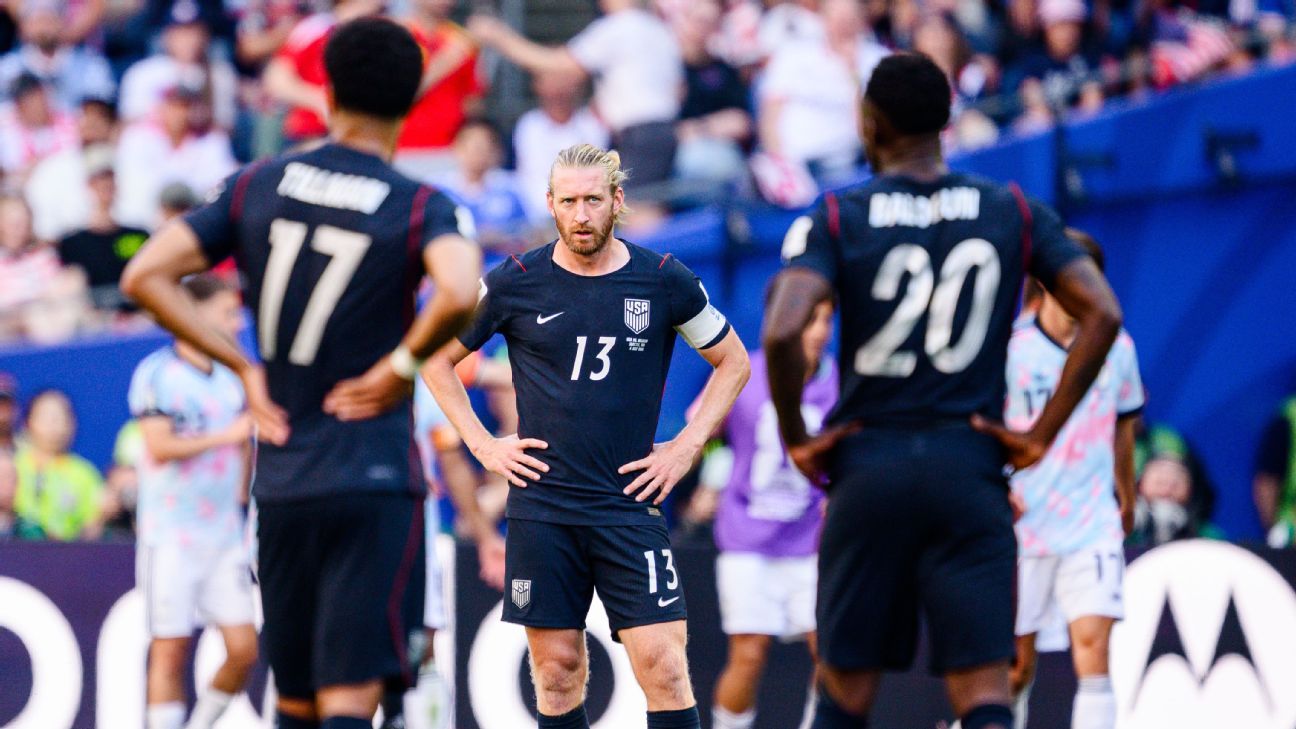
Passing the group stage only to bottle it when it matters is not progress — it's just a more expensive version of the same old story.
That, in essence, is where the USMNT find themselves after their 2026 World Cup campaign. Hosted on home soil, with a generation of talent that was supposed to finally change the script, the U.S. did what good students do: they prepared properly, handled the early tests, and then absolutely crumbled when the marks counted. Whether that constitutes success depends entirely on how low your expectations were going in.
The Homework Was Done
Let's be fair — they weren't embarrassing. Under Mauricio Pochettino, the USMNT looked organised, purposeful, and capable of competing at this level. The group stage was navigated with enough composure to suggest this wasn't a side just happy to be there. There were moments of genuine quality, glimpses of a team that had actually bought into a system.
Christian Pulisic, as ever, was the focal point — and as ever, the weight of that expectation exposed the limits of what one player can carry. He had his moments, but the tournament ultimately didn't produce the defining Pulisic performance that American football desperately wanted from him. That's not entirely on him. When a team leans that heavily on a single creative outlet, you're building a house of cards, and Pochettino of all people should understand the structural risks of that. The [World Cup Golden Boot tracker](/getohedz/football/world-cup-golden-boot-tracker-who-will-win) tells you everything you need to know about where the U.S. attack ranked when it mattered most — Pulisic's name isn't near the top.
The Final Exam
Here's where the honest conversation has to happen. Preparation is not achievement. Potential is not a result. The U.S. did enough to tick the boxes in the early rounds and then came up short in the knockout stage — which, at a home World Cup, with this squad, with this amount of institutional investment, is simply not good enough.
The excitement around this generation has always been justified. The talent pipeline is real — [Cherundolo heading up the U-23s for the 2028 Olympics](/getohedz/football/cherundolo-to-coach-us-u-23s-at-28-olympics) suggests the federation is already thinking beyond this moment, which is the right instinct. And there are young American players moving through serious European football — [Cole Campbell's move from Dortmund to Elversberg](/getohedz/uss-campbell-joins-elversberg-from-dortmund) being one small example of the depth coming through.
But future promise does not retroactively fix what happened this summer. The pipeline only means something if the finished product delivers, and right now the finished product bottled a home World Cup.
Our Verdict
Grade it however you like — and plenty will be generous because the group stage went smoothly. We'd say a C+. A B if you're being kind about the process and the structure Pochettino built. But let's not confuse turning up prepared with actually achieving something. The U.S. aced the quiz. They failed the exam. At a home World Cup, that's the definition of underachievement, and no amount of promising pipeline talk changes that verdict.
The next cycle starts now. The excuses don't carry over with it.