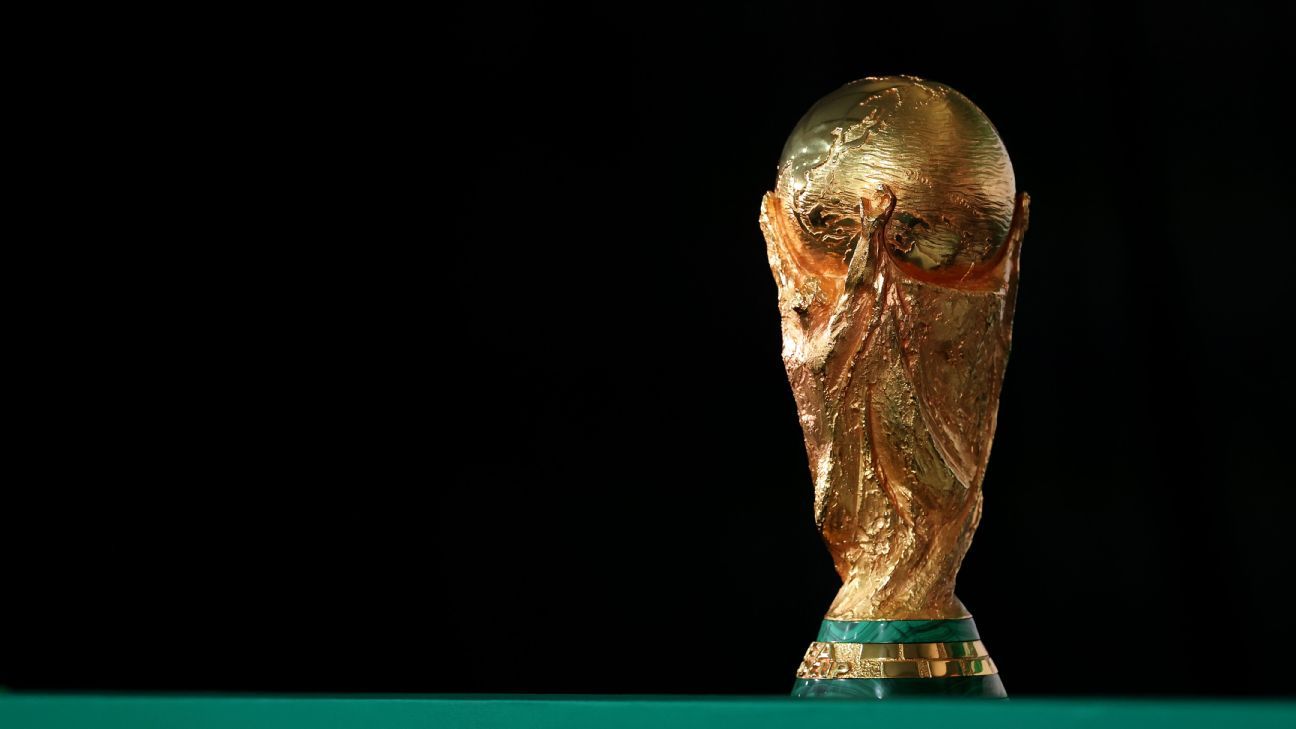
Timing is everything — and sending a scathing letter to FIFA hours before a World Cup final is about as pointed as it gets.
Europe's leading human rights body, the Council of Europe, did exactly that on Sunday, publicly questioning the integrity of the World Cup and calling on FIFA to put a far stronger framework in place ahead of the 2030 edition. It wasn't a polite nudge. It was a formal, on-record challenge to football's governing body, dropped at the moment of maximum visibility. Whatever you think of the tournament itself, you can't ignore the symbolism of that.
"Question After Question"
The Council of Europe's message was blunt: the current setup raises too many unanswered questions about how FIFA runs its flagship competition. The framing of "integrity" matters here — this isn't just activists shouting from the outside. This is a recognised institutional body in Europe putting its name to serious concerns and demanding structural change.
The demand centres on 2030, which already promises to be the most logistically complex World Cup in history, spanning multiple continents. If FIFA thought the scrutiny would ease off after this tournament wrapped up, this letter makes clear that's not happening. The pressure is only building.
It's worth remembering this isn't happening in isolation. [Thomas Tuchel retained the FA's backing following England's World Cup exit](/getohedz/football/sources-tuchel-retains-fa-backing-after-wcup-exit), and [Harry Kane left the door open on whether this was his last World Cup](/getohedz/football/kane-too-soon-to-decide-if-26-wc-was-my) — both stories pointing to just how much emotional and institutional weight this tournament carries. When the curtain comes down, there are real consequences on all sides. That makes the Council of Europe's intervention even harder to brush off.
FIFA's Problem Isn't Going Away
Here's the thing about FIFA: they are extraordinarily good at waiting out criticism. A letter arrives, the cycle moves on, and by the time 2030 comes around, everyone's distracted by qualifiers and transfer windows. That's the pattern. The Council of Europe clearly knows it too, which is why Sunday's timing was deliberate — make the noise when the cameras are rolling, not six months later when no one's watching.
What a stronger framework actually looks like in practice is the real question. Vague calls for reform have surrounded FIFA for decades. The Council of Europe is urging something more concrete, more enforceable — a structure that can actually be held to account. Whether FIFA engages with that in good faith remains to be seen. Their track record on this front is not exactly confidence-inspiring.
The 2030 tournament's multi-host nature makes this even more loaded. More host nations means more governments, more legal systems, more labour laws — and more opportunity for the kind of inconsistency that makes a mockery of any unified integrity standard.
Our Take
The Council of Europe aren't wrong, and their timing was smart. But strongly-worded letters only matter if someone with real power follows through. FIFA has absorbed this kind of pressure before and kept moving. The test isn't whether the criticism lands — it's whether 2030 actually looks any different because of it. We're not holding our breath, but we're watching.