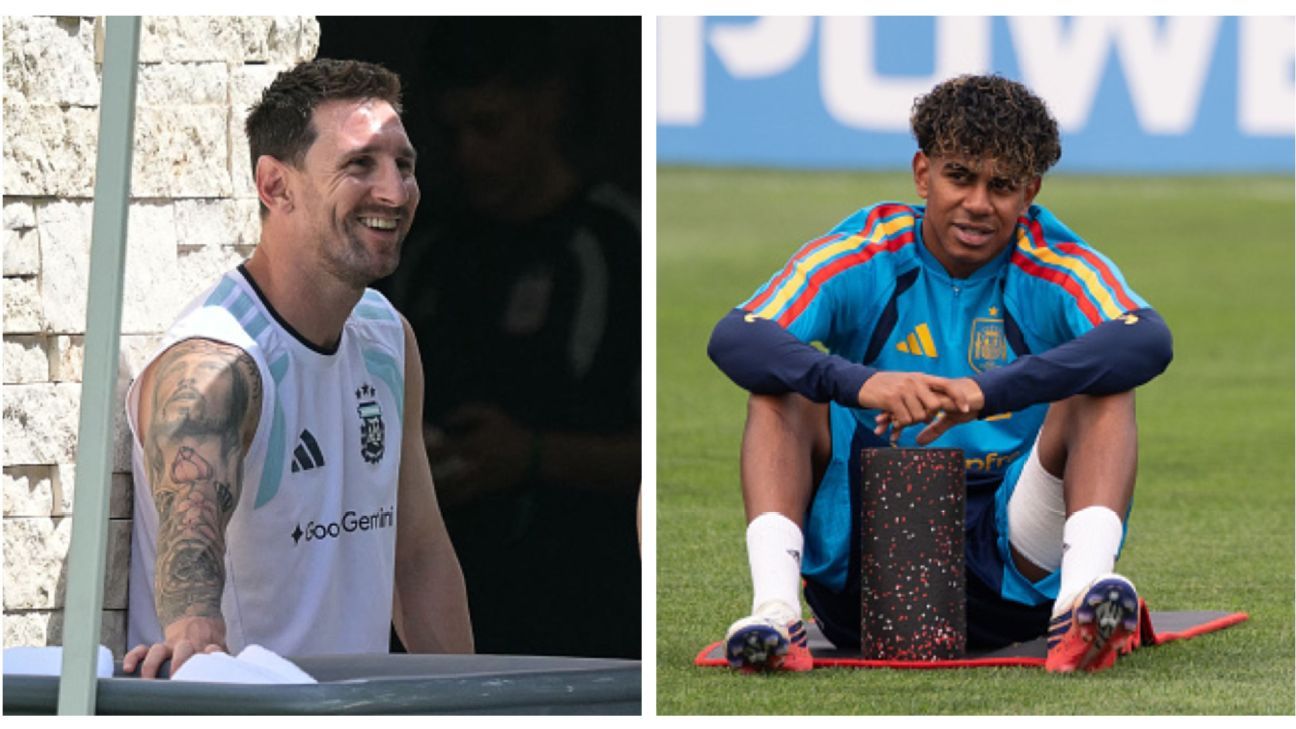
Football was supposed to be the people's game. Tell that to the person shelling out a minimum of ten grand just to get through the door.
With Spain and Argentina set to face off in the World Cup final — a match that pits Lamine Yamal against Lionel Messi in what is genuinely one of the most extraordinary generational storylines the sport has ever produced — the secondary ticket market has completely lost its mind. The cheapest available last-minute seat is going for $10,000. The most expensive? Sixty thousand dollars. For a football match.
Let that sink in for a second.
The Numbers Are Obscene
We're not talking about floor seats at a pop residency or ringside at a heavyweight title fight. We're talking about sitting in a stadium watching 22 people kick a ball. And yet, on FIFA's own official resale platform, tickets have reportedly been nudging close to the $2.3 million mark in total value moving through the system. The demand is so absurd that even that figure barely registers surprise anymore.
The gap between a $10,000 entry-level ticket and what the average football fan can actually afford is not a gap — it's a canyon. And this is before you've factored in flights, accommodation, or the cost of actually living in the host city for the duration of the trip. We've been watching [the World Cup's commercial machinery build for years](/getohedz/football/post-malone-headlines-wcup-closing-ceremony), and this is where it ends up: a final that, for most supporters around the world, will be watched from a sofa because there is literally no other realistic option.
FIFA's Fingerprints Are All Over This
Nobody should be surprised. FIFA controls the official ticket allocation, and the resale platform they operate is not exactly a charity service for the working fan. The system has consistently prioritised corporate hospitality, sponsors, and national associations — with genuine supporters left to scramble in the secondary market at whatever price the algorithm decides is appropriate that morning.
What makes it sting even more is the fixture itself. [Yamal has been one of the stories of the tournament](/getohedz/football/yamal-porro-train-apart-from-spain-teammates), a teenager playing on football's biggest stage. Messi, arguably the greatest to ever do it, potentially playing in his final World Cup final. This is the match neutral fans around the globe would pay serious money to see — which is precisely why it's being priced as though it's a commodity rather than a sporting event.
For context, [Pelé's jersey from the 1958 World Cup final sold for $4.9 million](/getohedz/football/pels-1958-world-cup-final-jersey-sells-for-49m). A piece of history from one of football's most iconic moments. At this rate, the ticket stub from Sunday's final will be worth half that on its own.
Our Take
If you can genuinely afford $10,000 for a last-minute ticket, good for you — enjoy it, because it will be an extraordinary occasion. But let's not dress this up as anything other than what it is: a World Cup final that has been effectively locked off from the vast majority of football's actual fanbase. The sport has never been more global, the stars have never been bigger, and the access has never been more exclusive. That is not progress. That is a failure, and FIFA should own it.