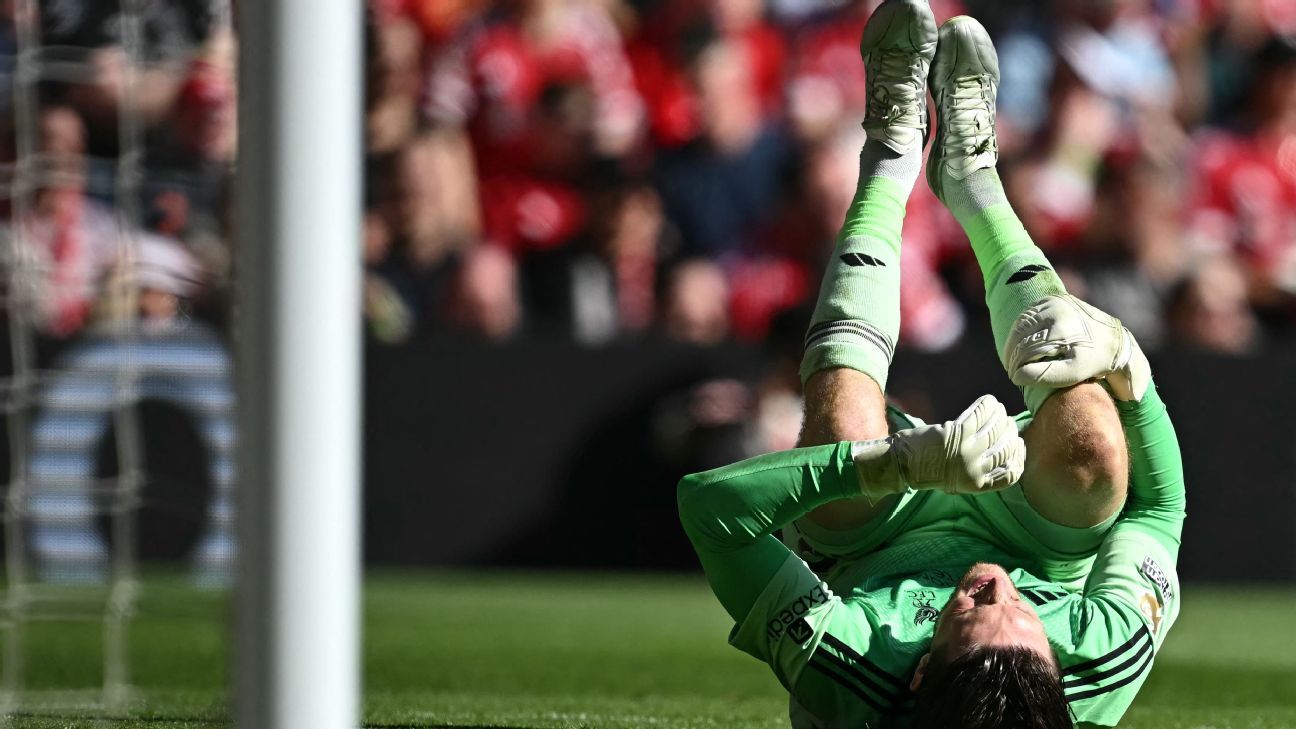
Goalkeepers have been taking the mick for years, and the Premier League has finally decided to do something about it.
The new season will see a trial of a rule specifically targeting goalkeepers who fake injuries — those convenient little moments where a stopper suddenly needs treatment, the physio jogs on, and the opposition's momentum disappears into thin air. We've all seen it. We've all been annoyed by it. Now there's an actual attempt to stamp it out.
What the Rule Is Actually About
This isn't a blanket crackdown on goalkeepers going down injured. It's targeted at the specific, cynical habit of feigning injury to disrupt the flow of a game — or more pointedly, to give the coaching staff time to bark instructions at the defence before a set piece or restart.
Anyone who's watched the Premier League regularly will know exactly what this looks like. The keeper goes down, nothing appears to have happened, the game stops, the manager gets thirty seconds to reorganise his back line, and then miraculously the keeper's absolutely fine. The Times specifically flagged David Raya-style time-wasting as the kind of behaviour this law is designed to target, which tells you everything about how visible and widely criticised the practice has become.
The trial is happening in England this season, which means the top flight will be one of the testing grounds for whether the rule works in practice. If it does, you'd expect it to filter upwards through the laws of the game more broadly.
Why This Matters More Than It Sounds
On the surface this looks like a minor housekeeping rule. It isn't. Time-wasting by goalkeepers — particularly the fake injury variety — has become a legitimate tactical tool at the top level. It's cynical, it's deliberate, and it makes the game worse to watch. The fact that it took this long to formally address it says quite a lot about how slow football's governing bodies move on stuff that's been obvious to supporters for a decade.
The question now is enforcement. Rules only work if referees apply them consistently, and English referees have a patchy record on anything that requires them to make a bold, interpretive call. If keepers go down holding their faces and officials still wave on the physio out of habit, nothing changes. [England already face enough scrutiny over how they apply UEFA-level decisions](/getohedz/football/england-lose-euro-2028-automatic-spot-after-uefa-rule-change) — the last thing the Premier League needs is another rule that exists on paper but dies on the pitch.
There's also the question of what happens when a keeper genuinely is hurt. Referees will need to make a judgement call every single time — is this real or is this a wind-up? That's not an easy line to draw, and it will absolutely be contested.
Still, the intent is right. Football has let this go on long enough, and the fact that a named playing style — Raya's specifically — has become shorthand for the problem shows it's moved well past a grey area into something that needed addressing.
Our take: The rule is overdue. Whether it changes anything depends entirely on referees having the bottle to actually use it. We'll believe it when we see the first keeper booked for clutching their knee after a free kick is given in the 89th minute.