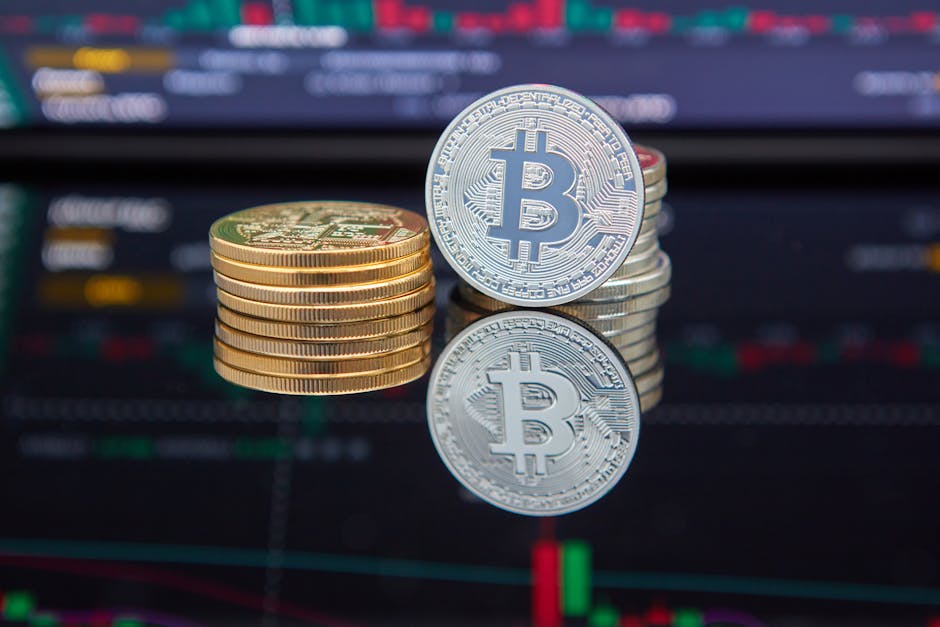
Bitcoin is at $62K and futures traders are scared. That's not the same as Bitcoin being finished.
Let's be clear about what's happening here. Bitcoin hasn't collapsed. It hasn't cratered. It's pulled back to $62,000 because futures traders — people whose entire job is to hedge and duck — got spooked before a Federal Reserve policy statement and cut their risk exposure. That's not a market sending a distress signal. That's professional caution, and there's a difference.
The context matters. Oil prices have spiked. There's escalating hot war in Iran. These are macro shocks that hit every risk asset simultaneously. When the world gets messy, leveraged traders don't sit and wait. They reduce exposure first and ask questions later. Bitcoin, sitting in the "risk-on" bucket for most institutional desks, gets trimmed alongside everything else.
The Fed is the real pressure point
The Federal Reserve policy statement is what's genuinely driving this. Futures traders are not cutting Bitcoin because they've lost faith in it. They're cutting it because they don't know what language the Fed is about to use, and ambiguity costs money when you're running leveraged positions.
That's the mechanics of it. If the Fed signals rates are staying elevated for longer, risk appetite shrinks across the board. Crypto feels it fast because it moves fast. BTC at $62K in this environment isn't weakness. It's the market pricing in uncertainty before a known event.
Once that statement drops, one of two things happens. Either the Fed gives traders a reason to exhale and money flows back in, or the language is hawkish and $62K becomes the ceiling for a while. Neither outcome means the rally is dead.
Oil and Iran are doing real damage to sentiment
We can't brush past the geopolitical side. An oil spike combined with an escalating hot war in Iran is a serious backdrop. Energy prices feed into inflation expectations. Inflation expectations feed directly into what the Fed says and does. It's a chain reaction, and Bitcoin is at the end of it.
When oil moves sharply upward, the narrative around inflation coming under control takes a hit. That's the exact narrative that's been supportive of crypto markets. Cheaper money, lower rates, risk appetite up. Oil disrupting that story is a legitimate headwind, not just noise.
So yes, the macro is working against BTC right now. But working against and broken are not the same thing.
Is the rally over? No. But it's been interrupted.
Here's our take. A rally ending means the underlying demand and conviction that drove the move upward has evaporated. There's no evidence of that here. What's happened is that external forces — a geopolitical shock, an energy spike, a looming central bank decision — have given leveraged traders a reason to lock in gains and step back.
That's a pause. That's a breather. It is not a signal that the people who moved Bitcoin upward have changed their minds.
The traders cutting risk now are not the same people who drove the rally. Futures desks manage risk constantly. They're reacting to a checklist of macro red flags. Long-term Bitcoin conviction doesn't live on a futures desk. It lives with the funds, the allocators, and the retail holders who don't move in and out every time the Fed breathes.
$62K is uncomfortable if you bought the top. But it's not a crisis number. It's a correction inside a broader move, triggered by events that have nothing to do with Bitcoin specifically.
Our verdict
The rally hasn't ended. It's been knocked sideways by oil, Iran, and a Fed statement that hasn't even landed yet. Futures traders cutting risk is rational behaviour in an uncertain window. Watch what happens in the 48 hours after the Fed speaks. That's when you find out whether this is a dip or a turning point. Right now it's a dip.
---
Photo by [DS stories](https://www.pexels.com/@ds-stories) on [Pexels](https://www.pexels.com/photo/bitcoins-on-blur-background-7267610/)