Kazakhstan Just Made a Real Move
Kazakhstan's president has signed a decree that does three specific things: targets gas-powered electricity for crypto mining, exempts regulated crypto transactions from income tax, and clears a path for cross-border stablecoin payments. That is not a consultation paper. That is a government committing.
This is the kind of policy clarity that most of the West has spent years avoiding. While the UK and EU have been arguing about definitions, Kazakhstan has picked a direction and written it into law.
The Energy Angle Is the Smartest Part
Gas-powered electricity for mining is the move that deserves the most attention here. Mining is energy-intensive — everyone knows that. The criticism has always been that it pulls from the same grid as homes, hospitals, and industry. Directing it toward gas-powered generation is a practical answer to that criticism.
It does not solve every environmental question. But it separates mining activity from general grid pressure. That is a workable compromise, and it shows the decree was written by people who understand the operational reality of mining, not just the political optics of it.
Most Western governments have not even got to this level of specificity. They are still at the stage of asking whether mining should exist at all.
Tax Exemptions Change Behaviour
Income tax exemptions for regulated crypto transactions are not symbolic. They change where people and businesses choose to operate.
If you are a crypto business doing any serious volume, your tax position is a major factor in where you incorporate and where you trade. Kazakhstan is now saying: come here, operate through our regulated channels, and we will not tax your income from those transactions. That is a clear, direct incentive.
The word "regulated" is doing important work in that sentence. This is not a blanket exemption for everything. It is tied to operating within the country's regulatory framework. That structure matters. It pulls activity into the system rather than pushing it underground.
Cross-Border Stablecoins Are the Long Game
The stablecoin piece is where this decree shows it is thinking beyond the immediate. Cross-border stablecoin payments are one of the most practically useful applications in crypto right now. Remittances, trade settlements, business payments — stablecoins can move value faster and cheaper than traditional banking rails.
By building this into the decree, Kazakhstan is positioning itself as a transit point. A country where stablecoin payments across borders are not just tolerated but actively supported by policy. For Central Asia, where cross-border commerce involves multiple currencies and slow correspondent banking, this is genuinely useful infrastructure.
This is not speculative. The use case is real, the demand is real, and Kazakhstan is moving to capture it.
What This Says About the Global Picture
We have watched mining capital shift across borders multiple times now — China bans it, it moves to the US, regulatory pressure builds there, it looks for somewhere else. Kazakhstan already picked up significant mining activity after China's crackdown. This decree is an attempt to make that presence permanent rather than opportunistic.
The difference between being a temporary refuge and a long-term hub is policy. Temporary is when people show up because you have cheap power and no one is watching. Long-term is when there is a legal framework that makes staying the rational choice. This decree is trying to build the second thing.
Whether it succeeds depends on enforcement and consistency. Decrees get signed. Implementation is the harder part, and Kazakhstan's regulatory track record will face scrutiny from any serious institutional operator looking at this.
Our Verdict
This decree is specific, structured, and commercially literate. It is not a country dipping a toe in. Gas-powered mining allocation, income tax exemptions tied to regulation, and cross-border stablecoin infrastructure — that is a joined-up policy position. Kazakhstan is building a case for why serious crypto operations should be there. The UK and Europe should be watching, because while they are still drafting frameworks, other countries are signing laws.
---
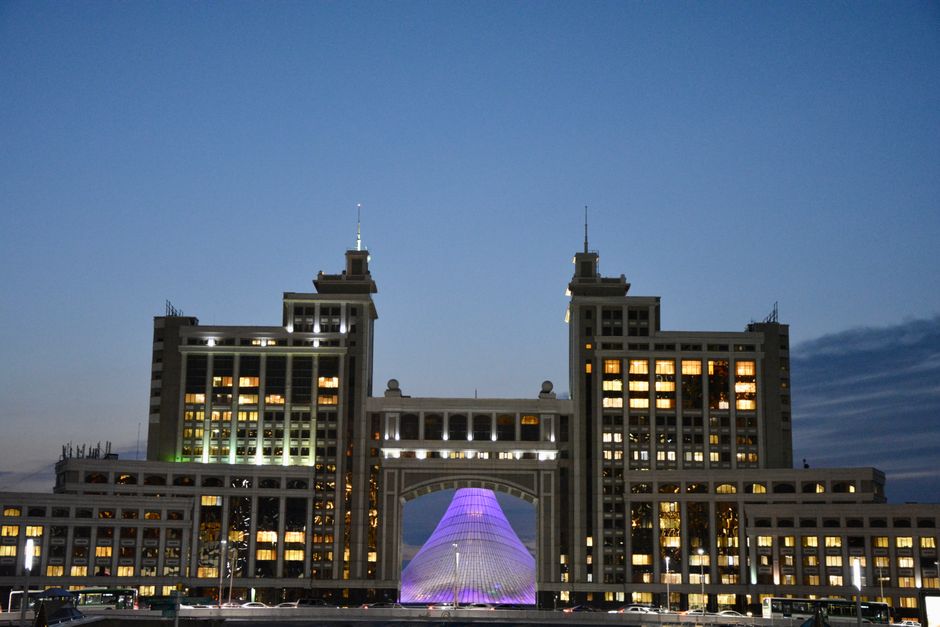
Photo by [Aibek Skakov](https://www.pexels.com/@aibek-skakov-418917601) on [Pexels](https://www.pexels.com/photo/building-in-astana-in-evening-18549878/)