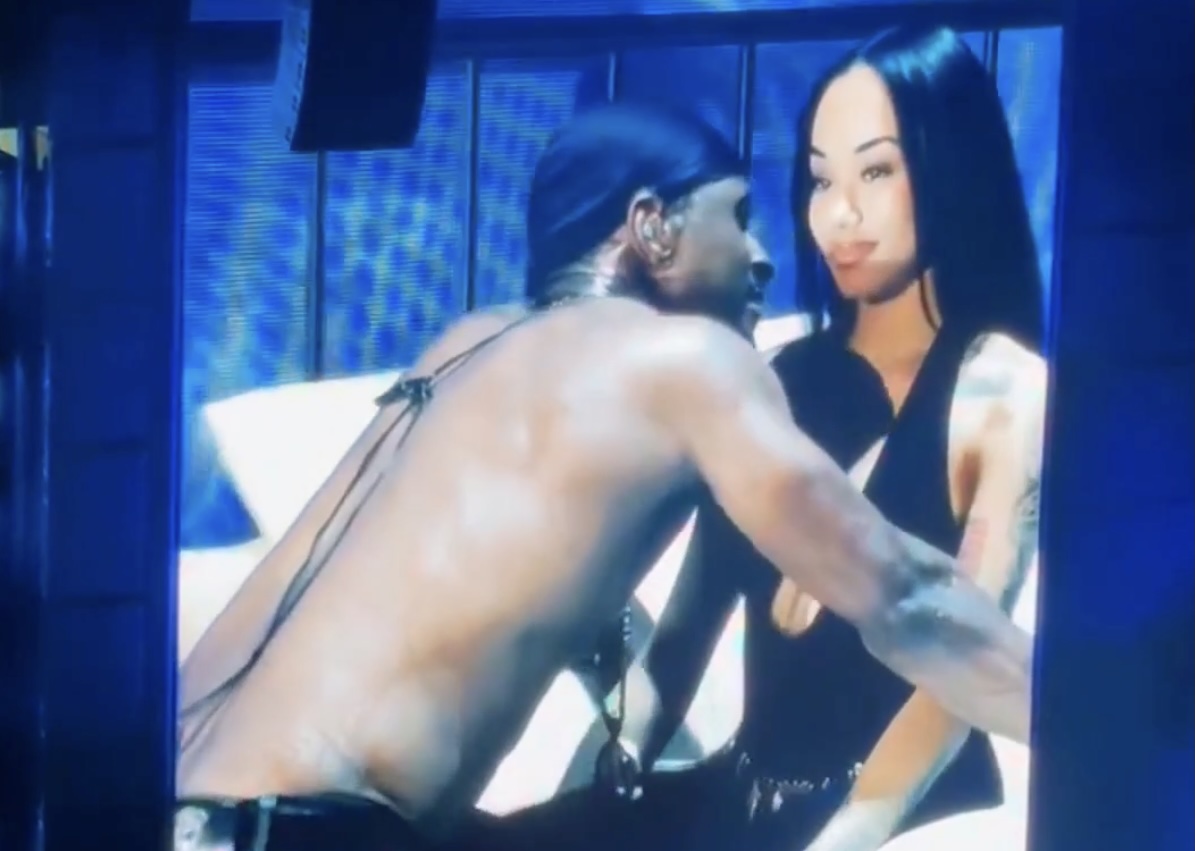
Usher's onstage seduction bit is one of the longest-running traditions in live R&B — and if you don't know what you're signing up for, that's on you.
The Setup Has Always Been the Same
For years, the routine has been part of Usher's live show DNA. He picks a woman from the crowd, brings her up, and does his thing. It's theatrical, it's choreographed, and it is absolutely not a surprise. Anyone with a passing knowledge of an Usher concert — or of Janet Jackson's old stage routines, which clearly informed this whole tradition — knows exactly what they're walking into. The bit works because the crowd is in on it. The energy feeds itself.
So when a fan at his Nashville show visibly recoiled from the whole thing — making it unmistakably clear on camera that she did not want to be there — the internet, predictably, lost its mind. The clip went viral. Takes were fired off in every direction. And Usher, to his credit, did not just let it slide quietly.
"Don't Bring Your Ass Up Here If You Don't Want To Be Here"
That was his response. Blunt, direct, and — honestly — fair. Usher addressed the incident openly, naming the woman involved (identified online as Gabrielle Cheyenne) and making clear he had no patience for anyone who comes up on that stage and then acts like they've been ambushed. His position is entirely reasonable: the bit is not a secret. Nobody is dragged up there in the dark. Hands go up. Volunteers volunteer.
What's interesting is where the public sympathy landed. A chunk of the internet decided Usher was the villain for calling her out after she'd already gone viral. He pushed back on that too — Billboard reported he "clapped back" after Cheyenne responded to the criticism she received online, making the whole thing a proper multi-round exchange. Not a great look for anyone involved, but Usher's core point never really got weaker: if you go up, go up. Don't perform reluctance for the camera.
The comparison to how [FLO own the room on stage](/getohedz/music/flos-second-album-therapy-at-the-club-is-their-boldest-move-yet) is worth making — that kind of live presence only works when everyone in the building commits to the same shared moment. The minute somebody breaks the fourth wall by being visibly elsewhere, the whole thing deflates.
There's also something to be said about how these moments spread now. A decade ago, this ends in the room. In 2024, it becomes a content cycle, complete with responses, counter-responses, and takes from people who've never been within fifty miles of an Usher show. The fan gets attention. Usher gets pulled into a PR conversation he never wanted. Nobody actually wins.
Our Take
Usher's not wrong. The onstage routine is a feature, not an ambush. If you go up to the stage at an Usher show and then perform discomfort for content, you do not get to act surprised when the man whose show you disrupted has something to say about it. His exact words were blunt because they needed to be. We'd rather have that honesty than watch him apologise for something that has been part of live R&B entertainment for decades. Keep the routine. Keep the warning. Move on.