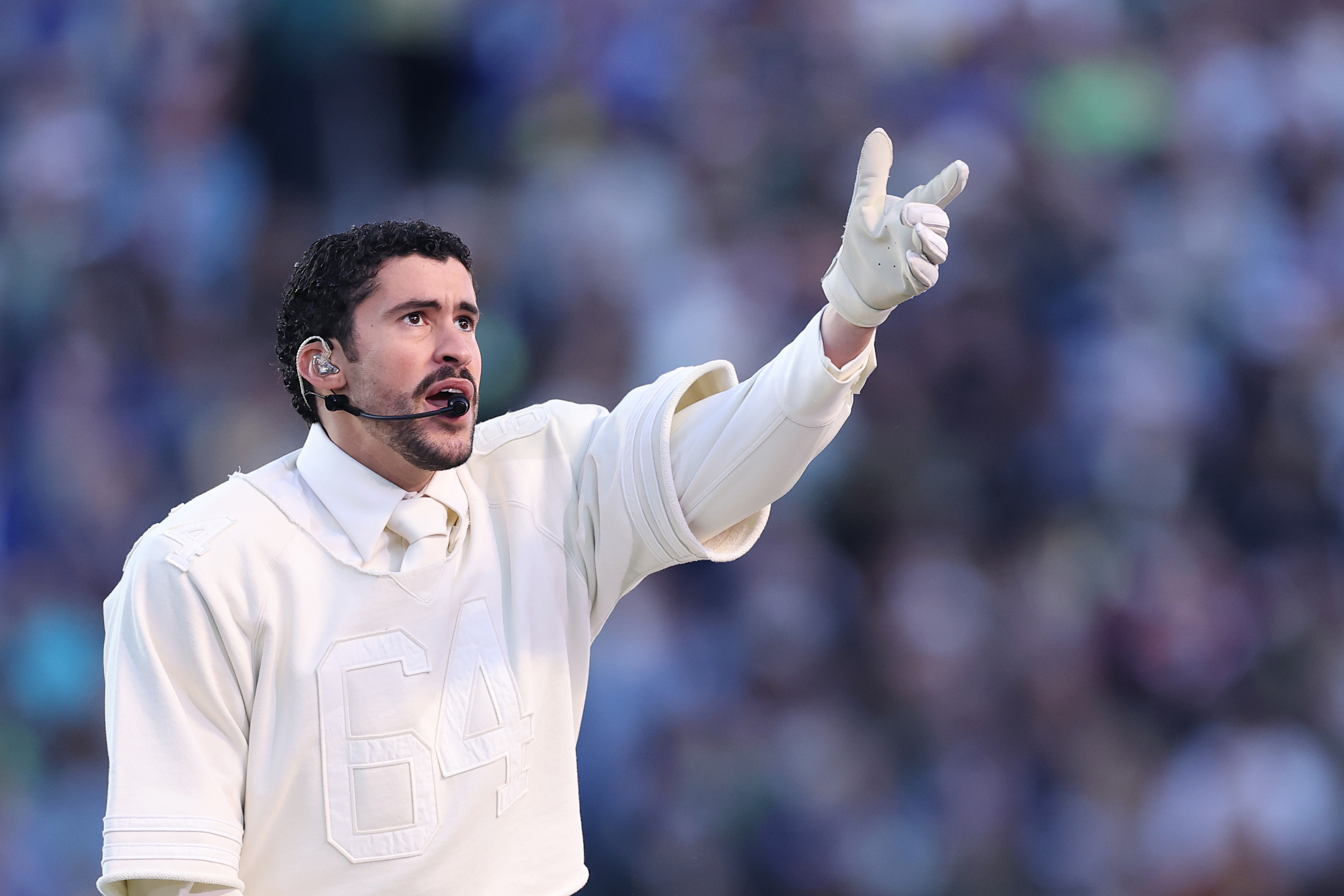
The Emmys have always had an identity crisis, but nominating Taylor Swift, Bad Bunny and Lady Gaga in the same breath as prestige television makes it official: the line between music and TV doesn't really exist anymore.
The 2026 Emmy nominations are out, and pop stars are all over them. Swift, Bad Bunny and Gaga have all picked up nods, part of what appears to be a broader wave of musicians crossing into television recognition. It's not a one-off. It's a pattern, and it says something worth paying attention to.
When the Concert Becomes the Show
We've watched this shift happen in slow motion. The blockbuster concert film and the live special stopped being promotional tools a while back — they became content in their own right, engineered for platforms and audiences who treat a stadium show the same way they'd treat a prestige drama. The Emmys catching up to that reality isn't revolutionary. It's just the academy doing what academies do: validating something after everyone else already understood it.
What's interesting here isn't that pop acts are getting nominated. It's who's getting nominated. Swift, Gaga and Bad Bunny aren't fringe crossover cases — they're three of the biggest artists on the planet, each with distinct creative visions and loyal audiences who consume everything they put out. The fact that television award bodies are now formally acknowledging that feels less like a compliment to the artists and more like institutions scrambling to stay relevant. You don't start nominating Taylor Swift because you've suddenly recognised her genius. You do it because ignoring her would make you look completely out of touch.
What It Actually Means
For the artists themselves, probably not much. Swift doesn't need an Emmy. Neither does Bad Bunny, who has spent years building a genuinely global fanbase that operates entirely outside English-language media gatekeeping. Gaga has been doing the crossover thing since A Star Is Born — she's been living in this space for years already.
But for the wider conversation around music and culture, it does matter. It confirms that the biggest pop acts are now producing work — visually, narratively, cinematically — that can hold its own in a room full of TV executives. That's not a small thing. The craft behind a major concert film or a platform-exclusive visual project has become genuinely sophisticated, and award bodies recognising that is at least honest.
It's also worth noting how international this list is. Bad Bunny's presence in particular signals that the Emmys are either broadening their actual scope or simply can't afford to pretend the Spanish-speaking music world doesn't exist when it's generating some of the biggest numbers on the planet. Either way, it's a step away from the historically parochial outlook these ceremonies tend to carry.
Our Take
We're not here to get misty-eyed about pop stars collecting trophies from television academies. But this does reflect something real: the biggest artists are now operating at a scale and with a level of visual ambition that demands to be taken seriously beyond the usual music industry categories. The Emmys nominating Swift, Bad Bunny and Gaga isn't the story. The story is that it took this long, and that when it finally happened, it happened all at once.