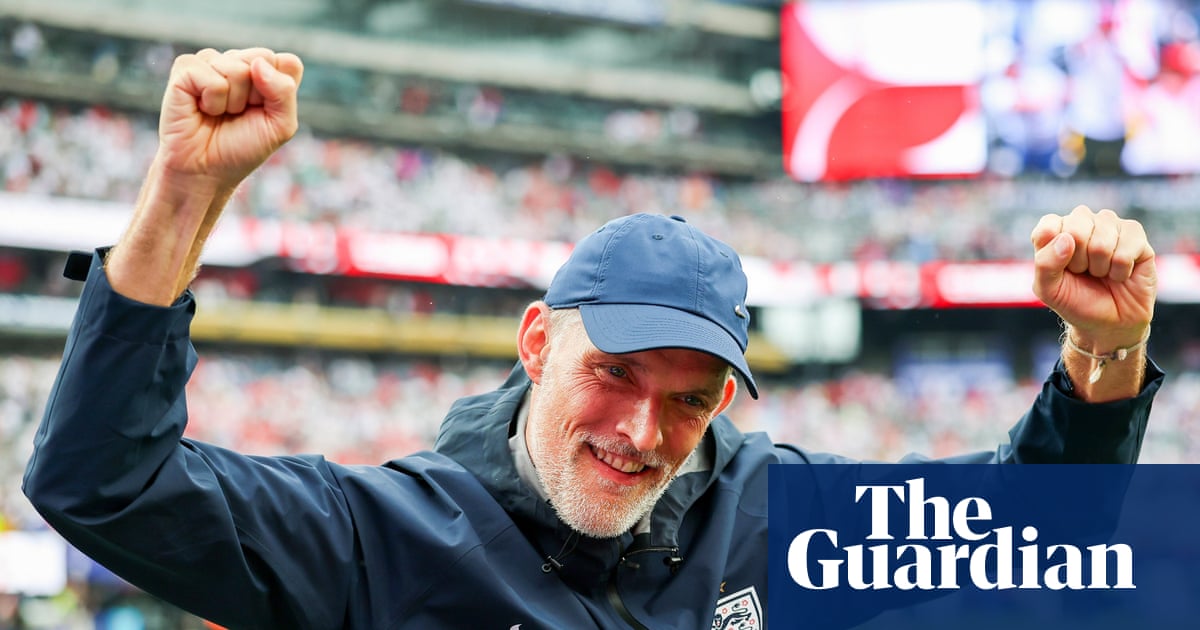
Thomas Tuchel has looked at the knockout bracket and said "the bigger the games get, the bigger we will get." That is either the most confident thing an England manager has said in a decade, or the opening line of a classic England collapse. Probably both. This is England.
The quote landed after the Panama win confirmed England as Group L winners. Tuchel was direct, which is refreshing. England managers have historically spoken in qualifications - "we'll take it one game at a time," "we've given ourselves a chance," "the boys showed great character." Tuchel said England will step up. That is a different register entirely.
Why it might actually be true this time
England have not had a knockout mentality problem in recent tournaments - they have had a performance plateau problem. They play well enough to get through the group stage and then produce one transcendent game followed by something that ends in penalties.
The difference now is structural. Tuchel's system does not depend on moments of individual brilliance to function. It works when it works, and what happened against Panama - controlled, efficient, defensively sound - is what it looks like when it works.
Bellingham and Kane scoring in the same game is not a coincidence. These are the players Tuchel has built the system around. When both function together, England are a different proposition to any version of the national side from the last ten years.
The Quansah problem
Jarell Quansah is a doubt for the last 32. An ankle sprain picked up in the group stage. It is not the headline but it matters - England's defensive cohesion under Tuchel is built on trust between specific players, and losing Quansah disrupts a back line that has been settled.
The DR Congo tie is next. Tuchel knows who he is facing. The question is whether his squad can replicate group-stage discipline against a side that will come at them with more pace and purpose.
Our take: Back Tuchel's confidence or don't - but do not bet against England in the knockouts until they give you a reason to. They have not given us one yet.