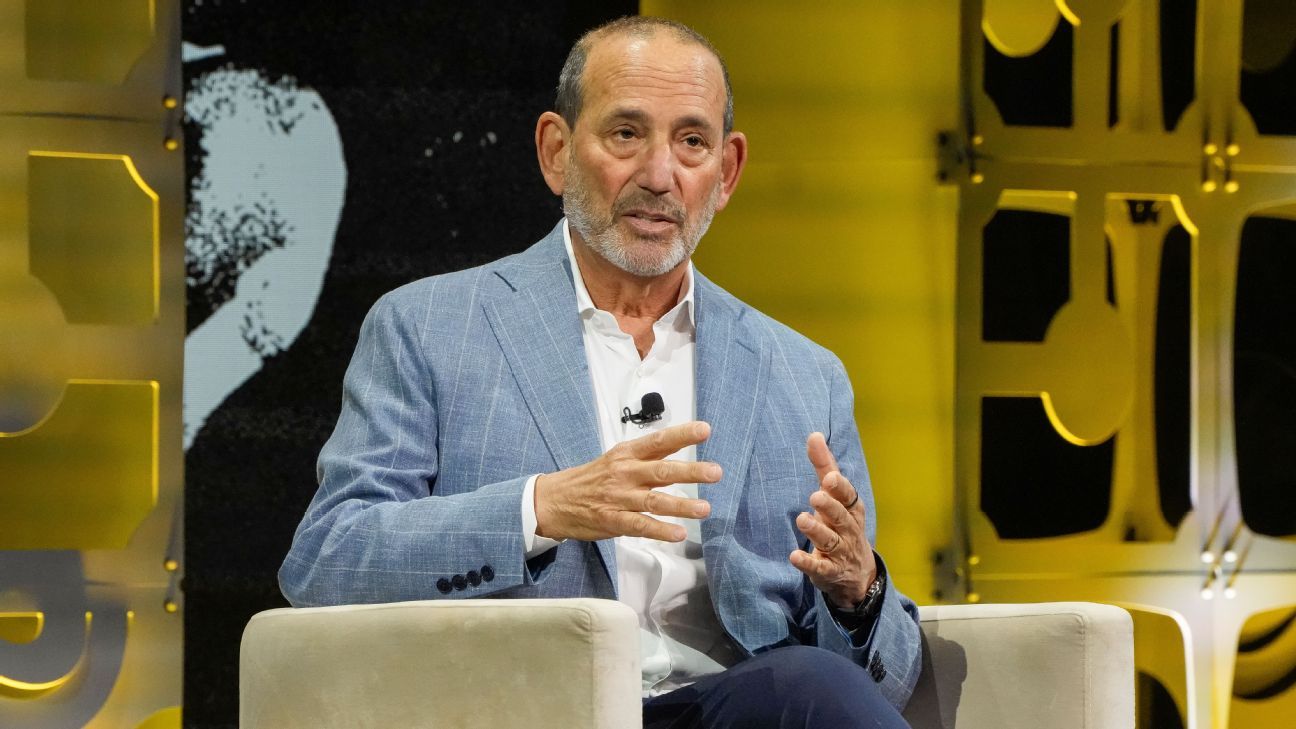
MLS has been waiting decades for a moment like this — and now it's finally arrived, the league is smart enough to actually use it.
The 2026 World Cup landing on American soil was always going to be the defining chapter for football's credibility in the United States. But what matters now is what Major League Soccer does with the wave once the tournament ends. According to outgoing Commissioner Don Garber, the answer is: everything. A calendar overhaul, a structural rethink, and — perhaps most significantly — a changing of the guard at the very top.
The Summer Switch Nobody Could Ignore Forever
For years, MLS operating on an autumn-to-spring schedule while the rest of the world's major leagues ran summer-to-spring was the kind of logistical awkwardness that made the league look like it was still figuring itself out. It always was going to have to change. The World Cup has finally made that conversation impossible to avoid.
Moving to a summer-to-spring calendar aligns MLS with the global game in a way that matters beyond optics. It means European clubs, agents, and broadcasters can actually plan around MLS seasons in a coherent way. It means American fans who've spent the last decade following the Premier League, La Liga, and Champions League won't be constantly context-switching between football calendars. It's a structural decision that says: we're serious now, and we want to be treated accordingly.
The timing isn't accidental. Post-World Cup America is a different sporting landscape than it was even five years ago. [Sport's next five years will break everything we think we know](/getohedz/business/sports-next-five-years-will-break-everything-we-think-we-know), and MLS knows it can either lead that shift or get swallowed by it.
Garber's Exit and What Comes Next
Don Garber has been the face of MLS for a long time. Long enough that his departure isn't just a personnel change — it's a genuine generational transition. He built the league from a punchline into something approaching legitimacy. That's not nothing. But leagues, like clubs, can stagnate under the same voice for too long. Fresh leadership arriving in the wake of a World Cup gives MLS the cleanest possible slate.
The question now is what the new era actually looks like under whoever replaces him. The infrastructure is there — expansion clubs, new stadiums, improved broadcast deals, a domestic fanbase that actually grew up watching the World Cup in their own backyard. The Mancini-era Italy approach of appointing experienced, credible leadership in moments of transition is worth paying attention to; [Mancini returning as Italy coach, Ranieri new TD](/getohedz/football/mancini-returning-as-italy-coach-ranieri-new-td) shows how a federation uses a reset moment properly. MLS needs the same kind of purposeful appointment.
The momentum is real. American football culture has shifted more in the last four years than in the previous forty. Kids who watched the World Cup final at school now want to know what's on at their local MLS ground next weekend. That's not manufactured — that's genuine.
Our Take
MLS has a window. It's not unlimited, and it won't stay open forever. The calendar change is the right call — overdue, frankly — and Garber's exit clears the path for leadership that can actually capitalise on the World Cup bounce rather than just talk about it. Get the next appointment right, and this really could be the start of something. Get it wrong, and the wave breaks without the league on it.