# Rent Prices Are Still Climbing: The UK Cities Where Young People Simply Cannot Afford to Live
Let's be honest about what this is. It's not a housing crisis anymore — that phrase has been worn so thin it's lost all meaning. What we're looking at in 2026 is a full-scale, generational lockout. Young people across the UK are being told, effectively, that the cities where the jobs are, where the culture is, where life actually happens, are not for them. Not unless they want to spend the majority of their take-home pay just keeping a roof over their heads.
This isn't hyperbole. This is the data.
The Numbers That Should Make Everyone Stop
Average rents across England hit record highs earlier this year, with the Office for National Statistics confirming that private rental prices rose by over 8% in the twelve months to April 2026. That follows years of consecutive increases that have never really let up since the post-pandemic scramble for space sent landlords wild.
In London, the average monthly rent for a one-bedroom flat now sits north of £2,100. Manchester — once held up as the affordable alternative to the capital — is averaging around £1,350 for the same. Bristol, Leeds, Edinburgh. All of them have seen double-digit percentage rent increases over the past two years.
For context: the average salary for someone aged 22–30 in the UK is roughly £28,000. After tax and National Insurance, that's around £1,870 a month in hand. In London, rent alone eats that entirely. Before food. Before travel. Before anything resembling a life.
The Cities Feeling It Hardest
London is the obvious one, and we won't labour the point. Everyone knows Zone 2 is a fantasy for most young workers now, with even Zone 4 and 5 properties pushing beyond what's realistic on a graduate wage.
But Manchester has become the story of 2026. The Northern Powerhouse dream sold a generation on the idea that moving to Manchester was the smart move — good jobs, great nightlife, and rents that didn't require a second job to cover. That deal is dead. Ancoats, Salford, even parts of Oldham that were affordable five years ago are now out of reach for anyone on under £35,000.
Bristol is in a similar position. A city that attracts young creative and tech workers, but can no longer actually house them. The average studio flat in BS1 now costs more than a two-bedroom house was renting for in 2019.
Edinburgh, too. Scotland's capital has seen rents accelerate sharply, with the student population competing directly with young professionals for an increasingly thin supply of available properties.
What's Driving This
Supply and demand, yes — but that's the easy answer. The deeper issue is that new housing completions in England remain significantly below what independent analysts say is needed to match population growth and household formation. Planning constraints, construction costs, labour shortages — the pipeline of new homes has never been able to keep up with demand in city centres.
At the same time, the private rental sector has contracted in some areas as landlords have sold up, citing increased regulatory requirements and tax changes. Fewer properties on the market means competition. Competition means prices go up. It's a simple loop, and it keeps spinning.
Short-term lets through platforms like Airbnb continue to pull rental stock away from long-term residents in tourist-heavy cities. That's a specific problem in Edinburgh and Bristol that local councils are still struggling to adequately address.
The Real Cost
Beyond the money, there's a human cost that doesn't show up in the ONS data. Young people sharing houses into their mid-thirties. People commuting absurd distances because they can't afford to live near their workplace. Mental health suffering. Community roots that never get put down because moving on is always just around the corner.
Our Verdict
The UK's biggest cities are becoming places where young people work but increasingly cannot live. Until supply meaningfully catches up with demand, this problem won't ease — it will just get worse and affect more people. That's not pessimism. That's just where we are.
---
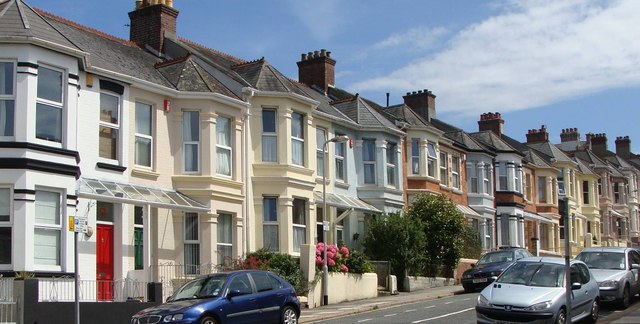
Image via [Wikipedia](https://en.wikipedia.org/wiki/Housing_in_the_United_Kingdom) / Wikimedia Commons