North Carolina has just done something that most states are too busy grandstanding to bother with — it actually read the room on prediction markets.
While other states are busy trying to tax, ban, or regulate platforms like Kalshi and Polymarket into oblivion, North Carolina quietly baked a sensible framework into its budget law. The state has formally acknowledged that the CFTC holds federal regulatory authority over these markets, set a 6% tax rate on them, and moved on. No drama. No culture war about whether betting on elections is morally offensive. Just a workable policy.
We respect that more than we probably should.
What North Carolina Actually Did
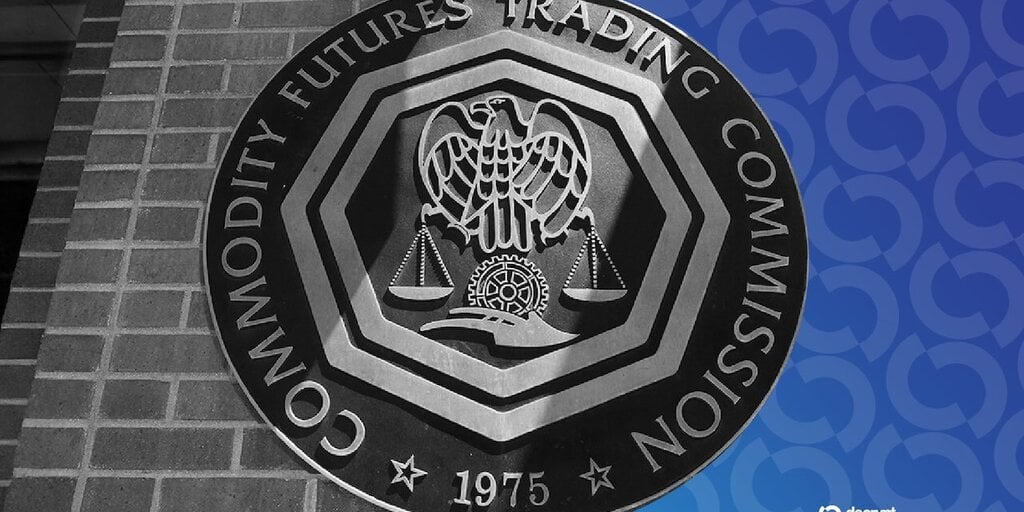
The mechanics here matter. By writing CFTC preemption directly into state budget law, North Carolina has essentially told its own regulators to step back. The CFTC — the Commodity Futures Trading Commission — already oversees platforms like Kalshi at the federal level, and North Carolina is now explicitly recognising that jurisdiction rather than trying to layer its own rules on top.
That 6% tax rate is the other headline. It is significantly lower than what other states have been floating or pursuing for prediction markets, which in some cases have edged toward the kind of punishing rates that effectively kill the product before it gets going. North Carolina's approach keeps the market functional while still bringing revenue in. Whether 6% is the perfect number is debatable, but the logic behind staying competitive is sound.
This matters because the regulatory picture for prediction markets in the US has been messy. Kalshi spent years fighting the CFTC in court just to get approval to operate political event contracts. The idea that individual states might now pile on with their own conflicting frameworks would create a patchwork that serves nobody — not the platforms, not the users, and certainly not regulators trying to establish any coherent oversight. The [EU's approach to crypto regulation](/getohedz/crypto/eu-set-to-revise-mica-in-2027-to-cover-foreign) at least has the virtue of being unified, even if it moves slowly. The US risks the opposite problem.
Why Other States Should Pay Attention
Prediction markets are not going away. The appetite for them — particularly around political and sporting events — is real, and the technology underpinning them is only getting more sophisticated. Trying to regulate them like traditional gambling, or tax them at rates designed to kneecap the sector, is a losing strategy.
What North Carolina has done is acknowledge reality: the CFTC has the federal mandate, these platforms are operating legally, and the state's job is to set a fair tax and stay out of the way. It is not a revolutionary position. It is just a sensible one, which somehow makes it stand out.
There will be states that look at this and see a race to the bottom. We'd push back on that framing. Regulatory clarity and a competitive tax environment are not the same thing as abandoning oversight. The CFTC is still in the picture. Nobody is getting a free pass.
Our verdict: North Carolina has set a template here that the rest of the country would do well to look at seriously. Defer to federal jurisdiction, set a fair rate, and let the market breathe. It is not complicated. The fact that it feels unusual says more about how badly most states are approaching this than it does about North Carolina doing anything radical.